Main Hall (North Bldg. 1F) Plenary TBC
Broad Listening in Practice: A View from National Politics
MODERATOR  Ken Suzuki
 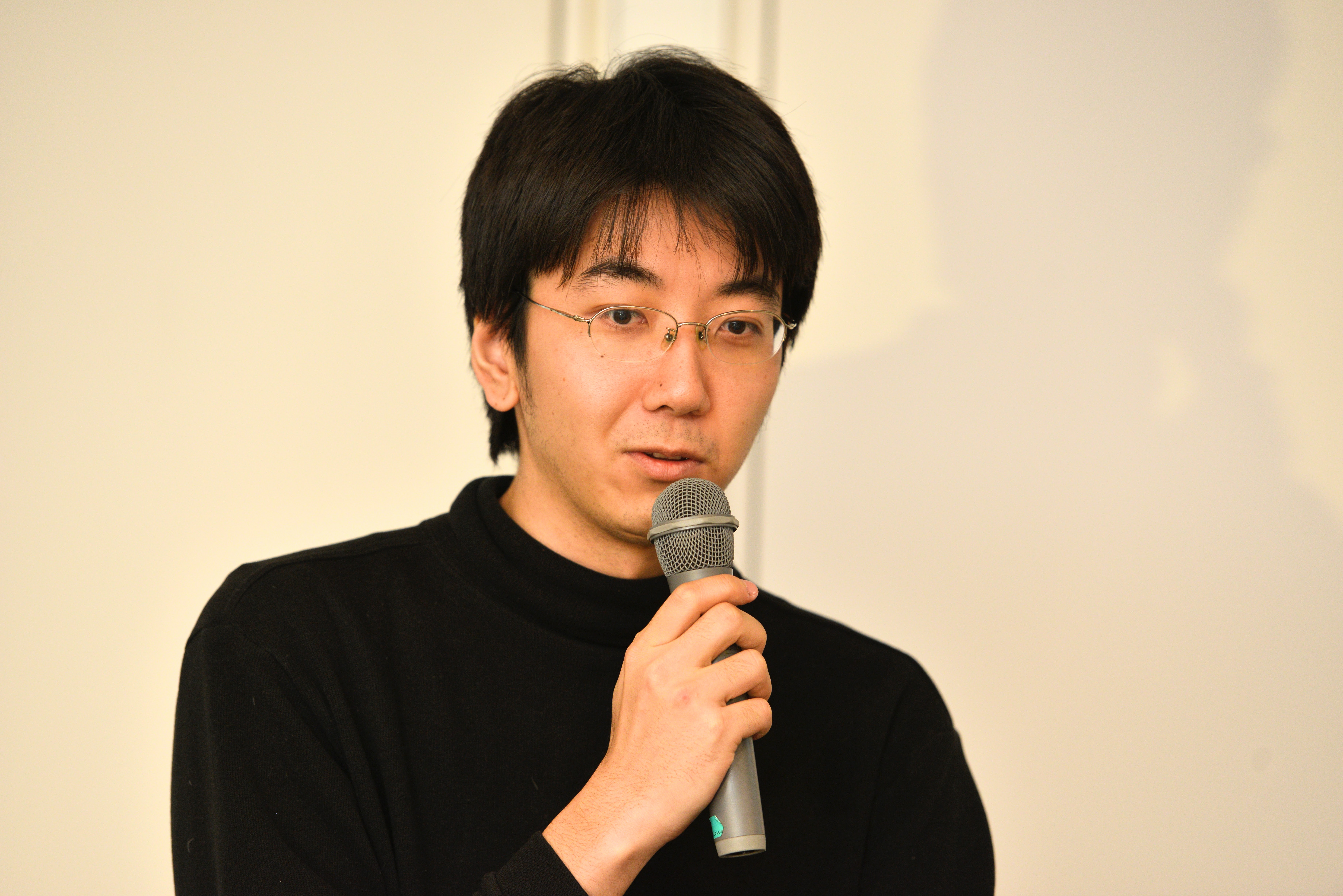 Shinta Nakayama
Ken Suzuki Shinta Nakayama SPEAKERS 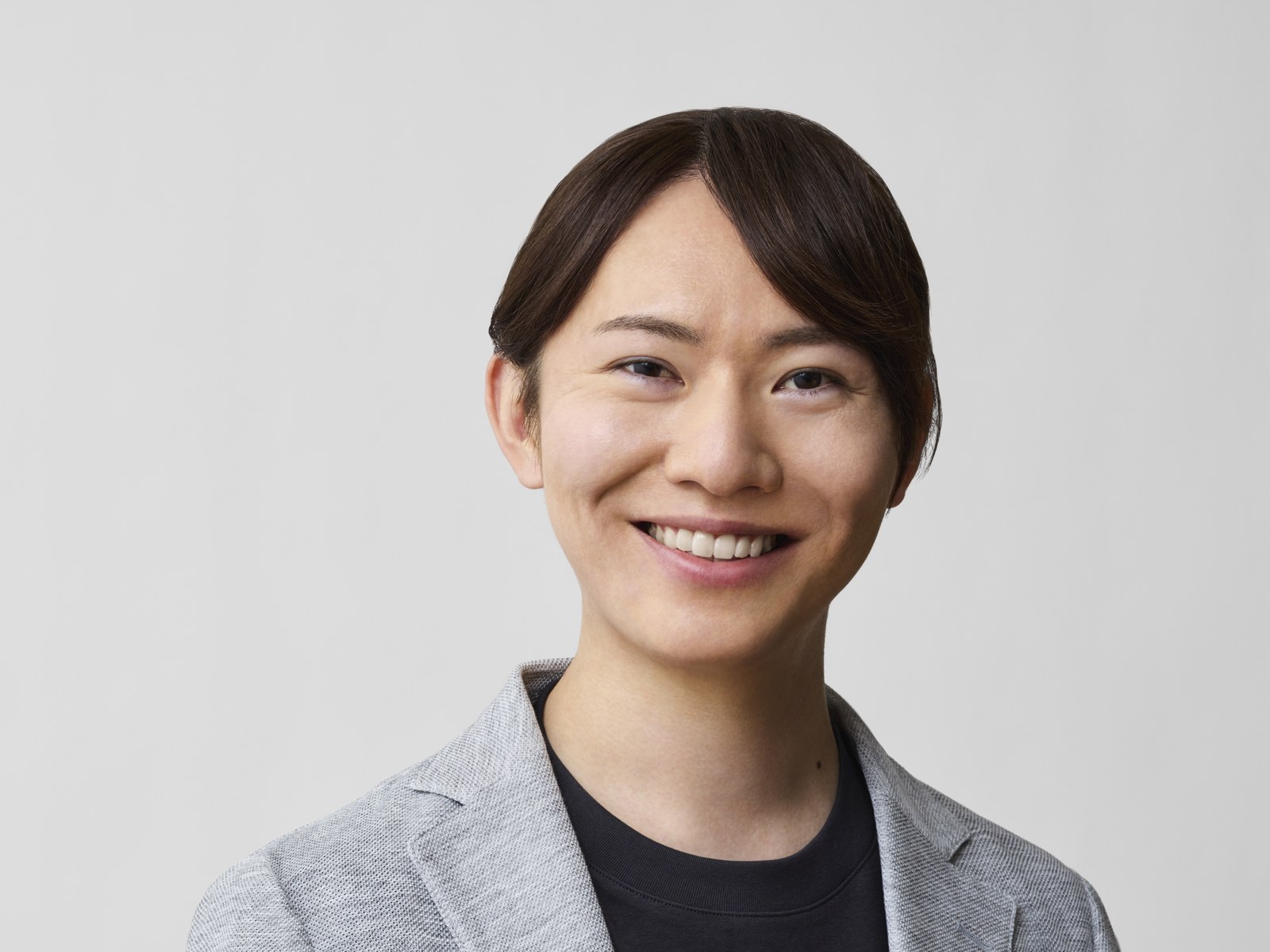 Takahiro Anno
Takahiro Anno  DIGITAL DEMOCRACY SUMMIT 2026
 Sunday, August 2, 2026, 10:00–18:30 · Keio University Mita Campus
The program is provisional. Sessions, speakers, times, and rooms are subject to change; speakers are added as they are confirmed.
See each room on the campus map → Ken Suzuki Shinta Nakayama Takahiro Anno 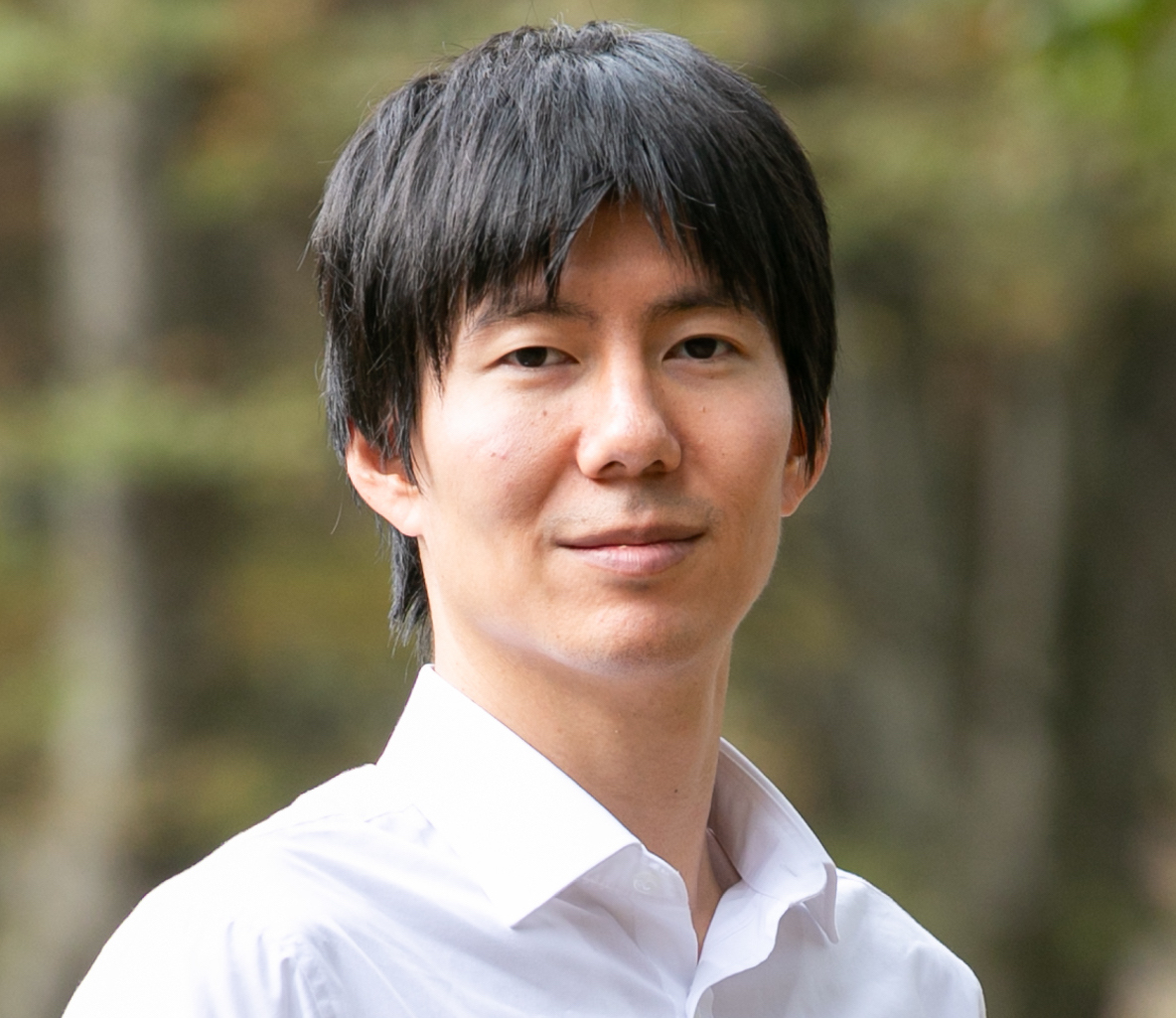 Seira Yun
 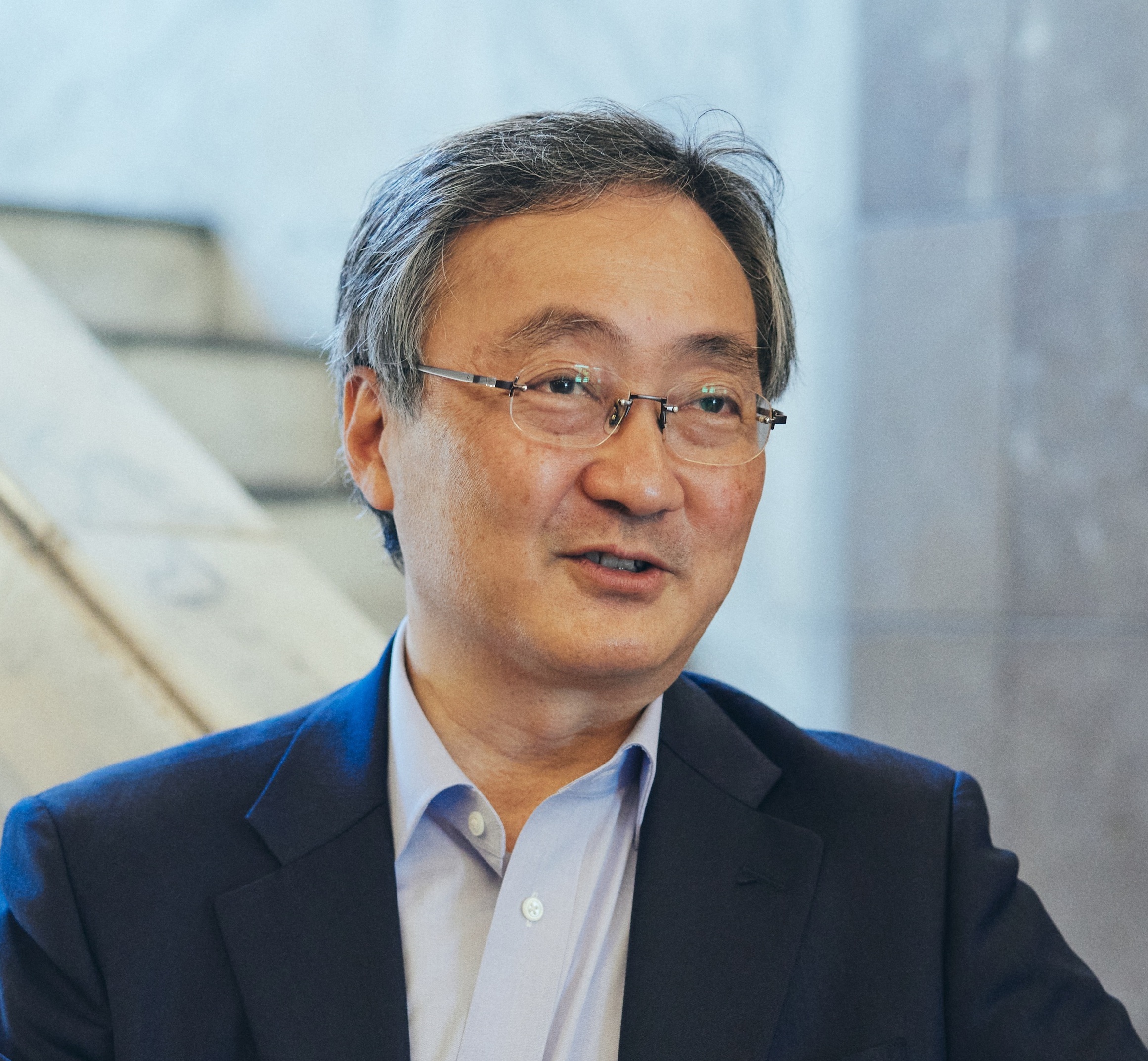 Ken Shibusawa
 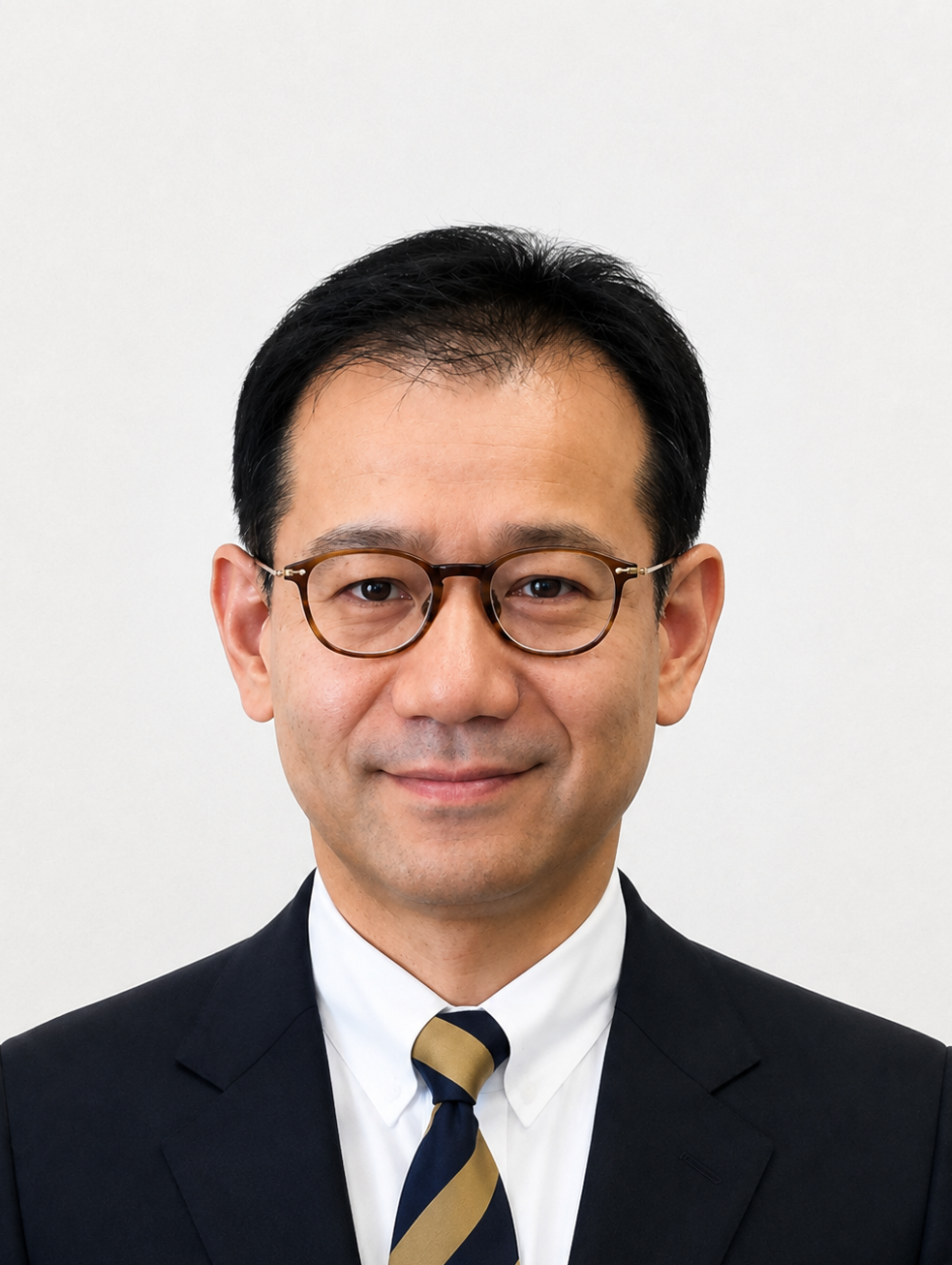 SUZUKI Kan
 Historically, democracy (political equality) and capitalism (economic efficiency and inequality) have formed the foundation of modern society — in tension, yet mutually complementary.
But AI is now redefining that very equilibrium. The automation of knowledge work, the concentration of data and computing power, and the spread of algorithmic decision-making are raising new questions about the assumptions underlying market competition and democratic consensus-building.
At the same time, AI carries risks such as accelerating division and concentrating power — but it also holds the potential to advance public administration, expand civic participation, and create new forms of the public sphere.
This session examines, from multiple angles, how AI is transforming the structures of capitalism (markets, labor, and the distribution of wealth) and shaking the foundations of democracy (information, consensus-building, and legitimacy).
Furthermore — both democracy and capitalism rest on the culture that underpins them: what people regard as good, how they trust one another, and what they consider valuable in life. However sophisticated our institutions, if that culture erodes, both will collapse. Populism and extreme polarization are a degradation of democratic culture; treating money as the sole measure of a life is a degradation of capitalist culture. And AI reaches deep into this cultural layer too — fueling competition for attention, stoking division, and potentially compressing a diversity of values into a single metric. The question extends beyond institutional design: in the age of AI, how do we cultivate the culture that sustains democracy and a "good capitalism"?
Who will lead rule-making in the age of AI — the state, Big Tech, or civil society? And what equilibrium can "political equality" and "economic efficiency" find under this new variable called AI? We will discuss these questions.
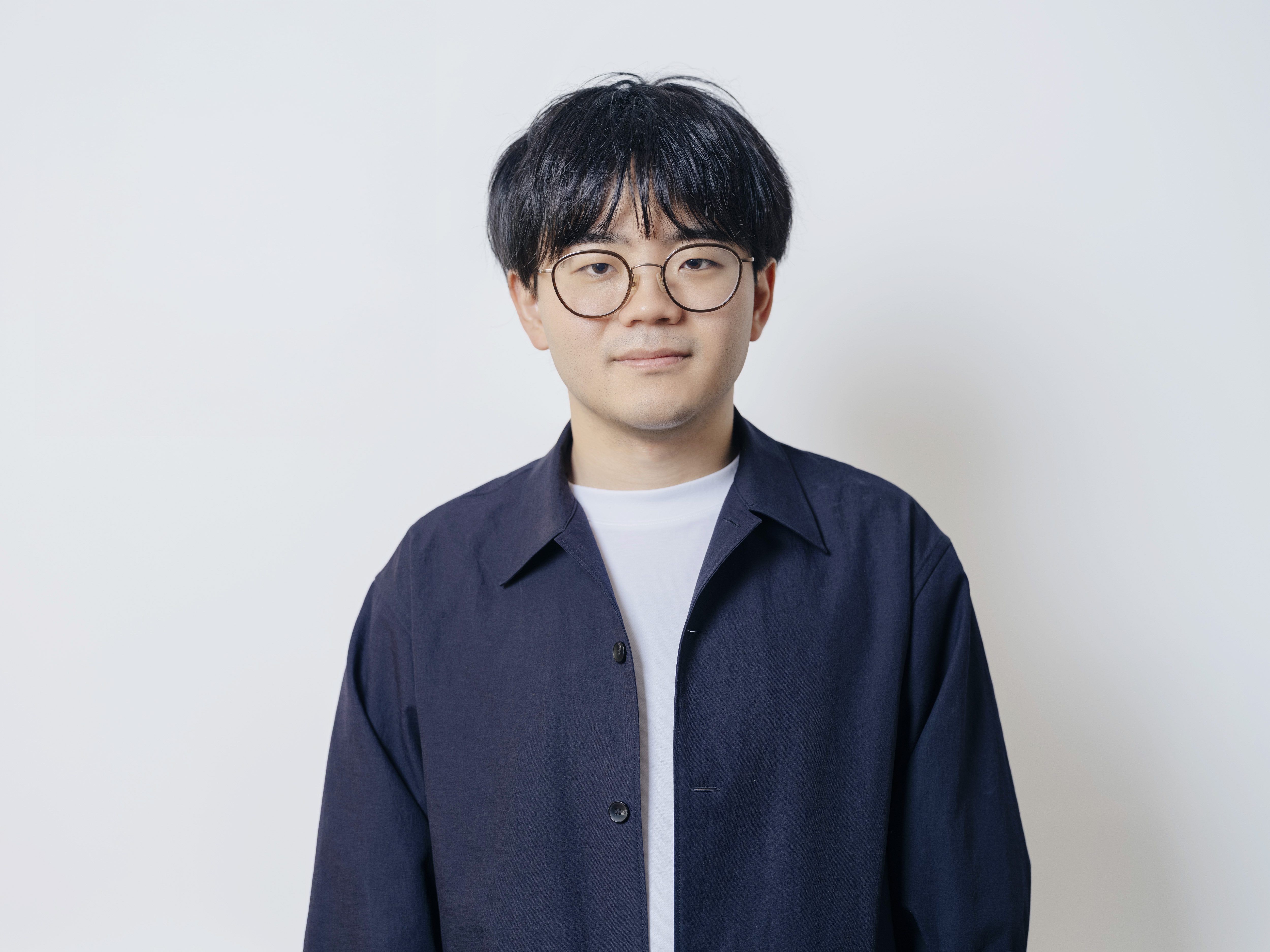 Hiroyuki Kurimoto
 Digital democracy is haunted by two illusions: the overconfidence that participation will simply emerge once you install a tool, and the resignation that citizens' voices never really reach policy. Liquitous, the company I lead, has deployed the citizen participation platform "Liqlid" with more than 100 municipalities in Japan and abroad, and six years in the field are steadily dismantling both illusions.
This session is a report from that field — not a showcase of success stories. Why do public comment periods fail to draw opinions? What happens to people's motivation to participate when a response takes years to arrive? How should a platform operator respond when a local government worries that seeing citizens' raw voices unfiltered feels risky? Drawing on real cases and our own research data, I will show concretely what separates illusion from implementation.
Three keys stand out. In municipalities that opened up to citizens from the planning stage, opinions have shaped the skeleton of plans, and the destination for participation is starting to extend beyond government itself, into public services implemented by citizens and businesses. Mechanisms have emerged where the results of citizen voting are reflected in subsidy allocations within weeks, moving participation from merely "listening" toward "delegating in small steps." And this operational knowledge is beginning to take institutional root — through revisions to public comment guidelines, citations in legislative debate, and even administrative evaluation by Indonesia's Ministry of Home Affairs.
From there, I want to discuss the questions that remain: the relationship between representative government and direct participation; the "will to decide" and the "will to open up" now being demanded of politics; and how to advance administrative reform on the "democratic" side of Article 1 of the Local Autonomy Act's "democratic and efficient" — the side that has gone largely untouched since the postwar era. My hope is that politicians leave with homework for institutional design, municipal officials with leads they can act on tomorrow, and researchers and technologists with issues drawn straight from the field.
Shinta Nakayama  Naoya Osugi
 Delivering citizens' voices to politics and government — PoliPoli (Kazuma Ito) has pursued this question through publishing and championing policy proposals. Drawing on hands-on work with numerous municipalities, the session shares what that experience has revealed about citizen participation — what works, where the walls are, and the unexpected uses and insights along the way.
The session invites participants to consider what it really means for a voice to "reach" someone, and what the citizen-participation infrastructure of the future will require.
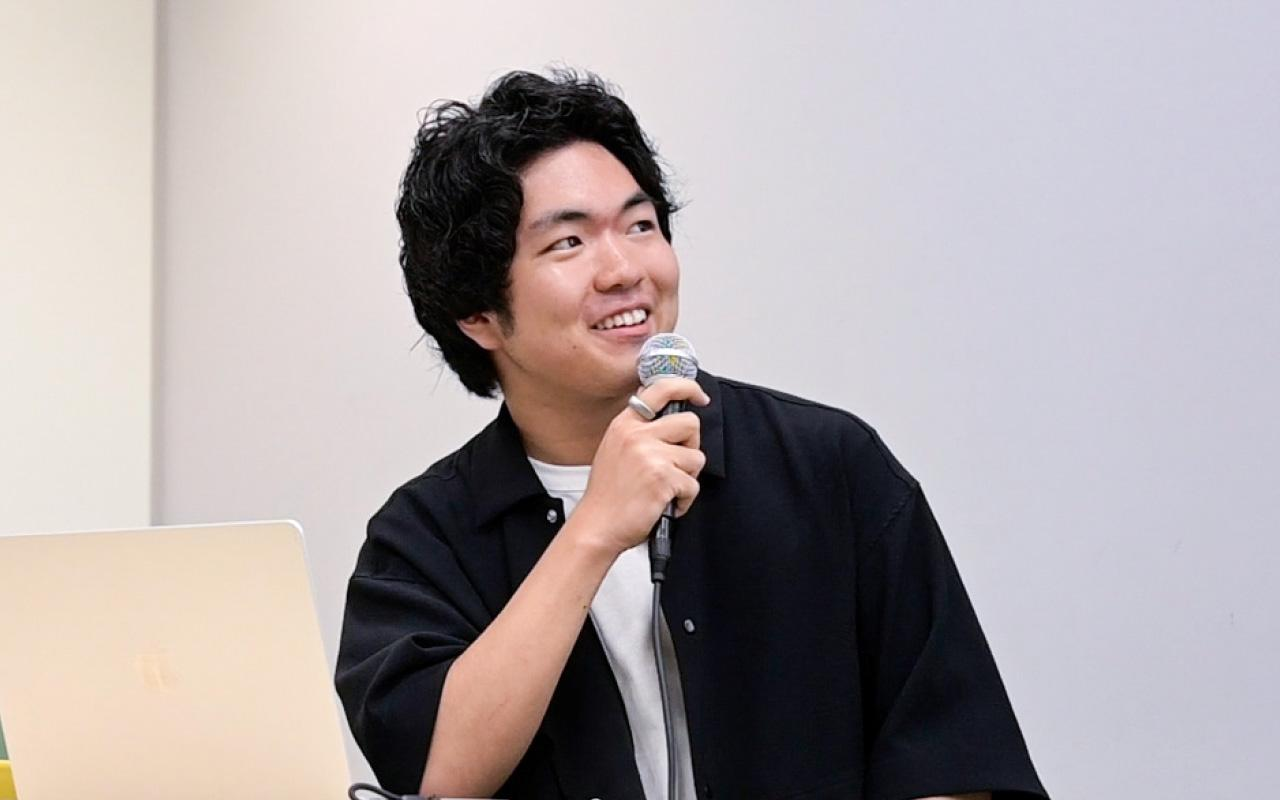 Shutaro Aoyama
  Kazuki Jinnouchi
  Sho Miyazaki
  Maiko Ichihara
 Democracy rests on an informational foundation: what citizens know, and what serves as their entry point for judgment. Generative AI is now rapidly moving into that entry point.
The output of a large language model (LLM) is shaped by multiple factors: pre-training data, post-training tuning, and the real-time ingestion of information from web search (Retrieval-Augmented Generation). "LLM poisoning" refers to techniques that attempt to deliberately manipulate AI output by flooding these inputs — above all the online content used for training and retrieval — with particular claims and information. Overseas, it is already recognized as a major threat to democracy and national security, and research is well underway. Analyses of what is actually happening in the Japanese-language space, however, remain scarce.
In this session, Miyazaki, who conducted a large-scale experiment testing multiple AI models on the 2026 House of Representatives election, and Jinnouchi, who analyzes the influence of Russia's Pravda network and Chinese state media, will present their findings. They will then be joined by Professor Maiko Ichihara of Hitotsubashi University, a specialist in international politics, for a discussion of the current situation and the road ahead.
 Hal Seki
 Discussions of broad listening and digital democracy tend to drift toward technical questions of "which tool, used how." But what practitioners repeatedly run into in the field is that the preconditions prior to any tool are not yet in place. This session digs into that precondition — what actually makes a "participatory society" possible in the first place — from the vantage points of local government and young people on the ground. Rather than a venue for handing down conclusions, we hope it will be a time for participants to leave with a "question" to bring back to their own work.
The discussion is organized around the three elements of the "architecture of participation" laid out in the Broad Listening book: (1) making good use of existing mechanisms; (2) attention to workflow as a process of handling and processing information; and (3) facilitation that leverages digital tools. Our position is that whether these three are in place on the ground — more than skill in the technique of "listening" itself — is what determines whether participation succeeds.
Moving between real changes seen among residents in local government settings (unexpected voices, and words that mean different things across generations), the experience of young people going out to listen to the raw voices of their peers, and the example of Barcelona’s participatory budgeting reaching those who "don’t normally have a voice," we will revisit, together with the audience, the questions "what must we put in place before we listen?" and "is this designed so that everyone can participate?"
This is a panel discussion where municipal officials, elected representatives, researchers, and civic-tech practitioners — each coming from a different position — can each leave with concrete leads to act on before introducing any technology.
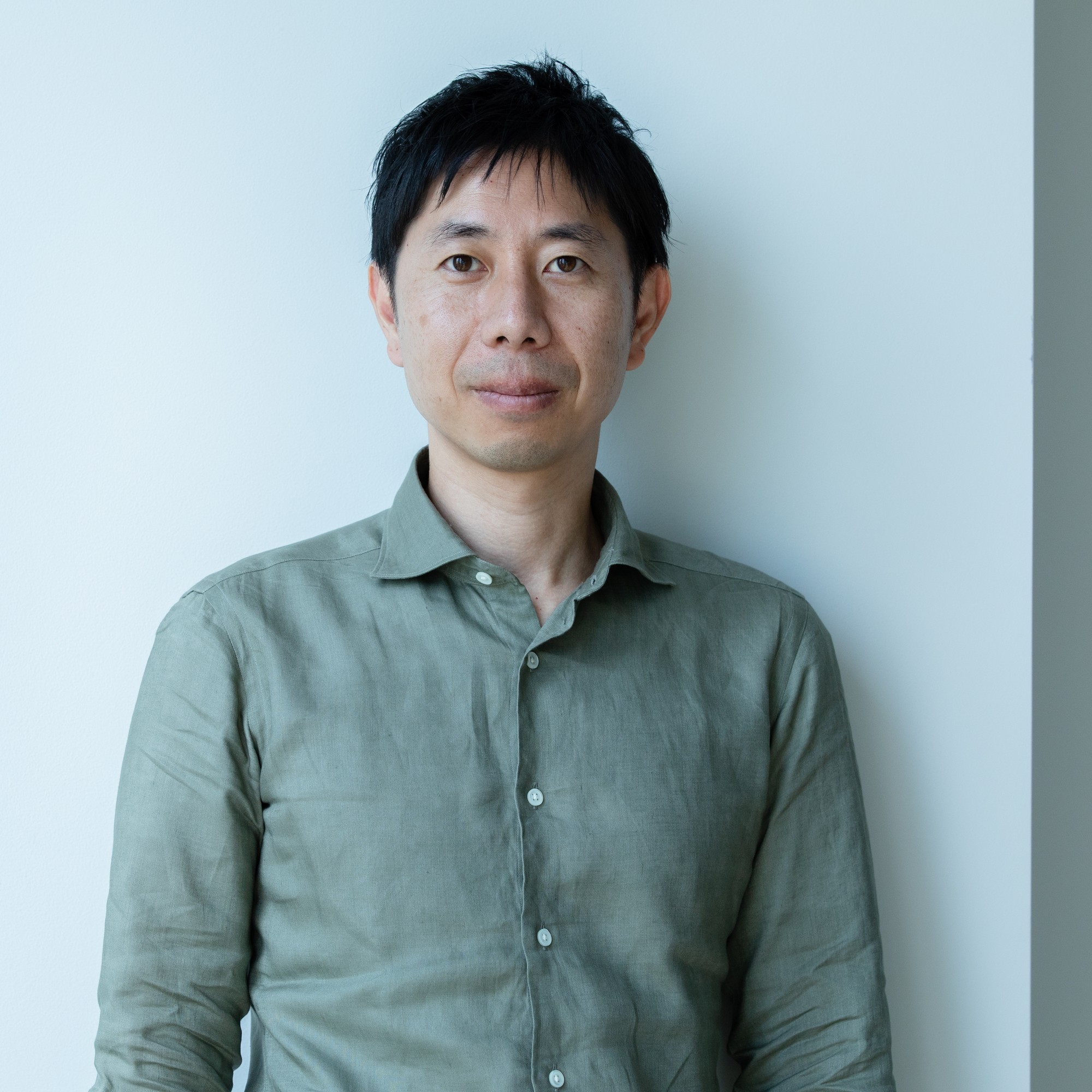 Motoki Taniguchi Shutaro Aoyama
 Using AI to collect, summarize, and classify large volumes of opinions is already becoming technically feasible. Mechanisms for gathering tens of thousands of citizen proposals, and implementations where AI organizes the points of discussion at municipal citizen assemblies, are starting to take shape. Yet a deep gap remains between "gathering a large volume of voices" and "building consensus with legitimacy."
This session brings together researchers and practitioners at the frontier of AI-mediated communication and consensus-building technology, each presenting, at high resolution, what is "already possible" and what "remains impossible" in their respective fields. Rather than a lineup of demos, the goal is to share a cross-disciplinary research agenda.
The discussion starts from three current vantage points: (1) technology that extracts trustworthy opinions and important minority viewpoints from a large volume of input, aiming for aggregation unswayed by vocal or majority influence; (2) technology that uses LLMs to transform the format of information and dialogue, supporting understanding between people and between people and AI; and (3) the obstacles that have emerged from socially implementing citizen dialogue and consensus-building infrastructure in municipalities and political parties.
Building on this, the session takes up shared unresolved problems: the absence of metrics for good deliberation or good consensus, which stalls the feedback loop for technical improvement; who decides, and how, that a minority opinion is "important"; how far AI can go, beyond summarization and classification, in "translating" between people whose positions and values are fundamentally different; and, when AI mediates the formation of consensus, whose consensus is it — and where is the line between that and manipulation?
Attendees, technologists especially, will leave with a "map of unresolved problems in digital democracy" — where the next challenges lie, and in what order they might be tackled. Putting that into words and sharing it is the aim of this session.
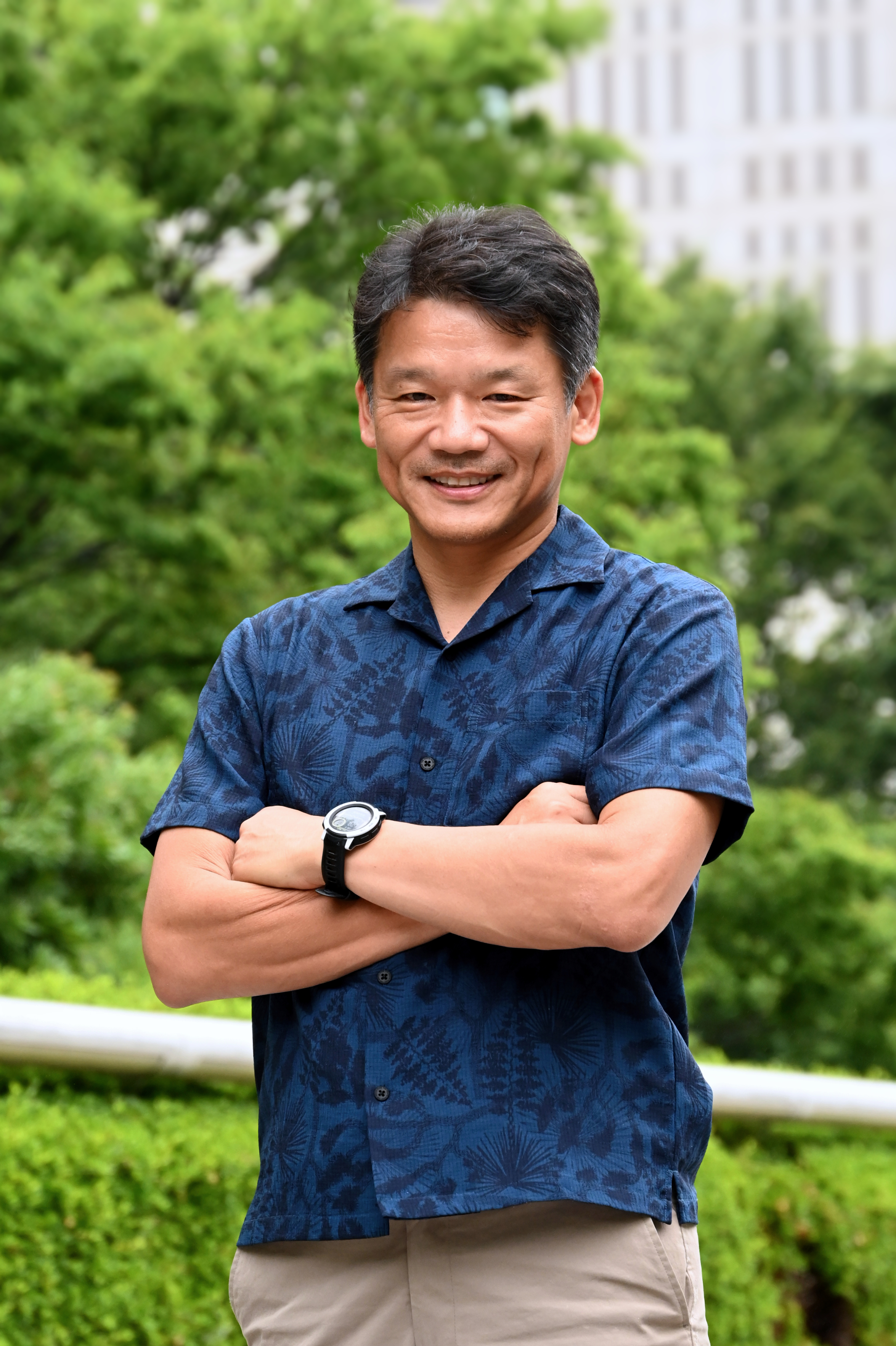 Manabu Miyasaka
 18:45–20:15 · South School Bldg. Cafeteria · paid. Keep the conversations going with speakers and fellow attendees.