DD2030 DIGITAL DEMOCRACY SUMMIT 2026
2026.08.02 · KEIO MITA CAMPUS

Digital Democracy Summit

HOSTED BY KEIO KGRI PRANCE × DIGITAL DEMOCRACY 2030

The future of democracy, built together.

Putting citizens' voices to work through technology, to move democracy forward — the people doing that work, gathered from Japan and beyond for a single day, in one room.

Register — free See the speakers
Sun · August 2, 2026 · 10:00–18:30
Keio Mita · Kita-kan Hall
~200 seats · free · lottery if oversubscribed
LIGHT BEYOND THE OPEN DOOR · 開かれたドアの先に輝く光
—01

Speakers

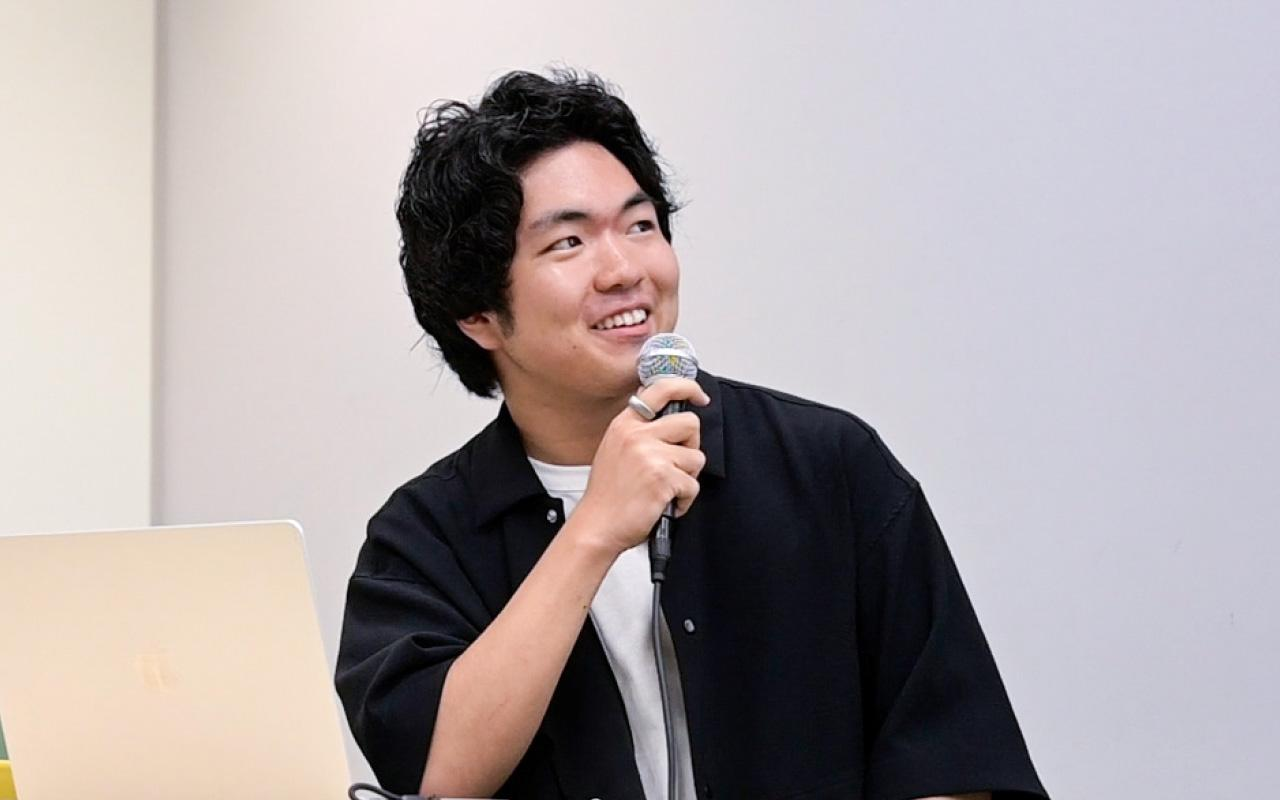
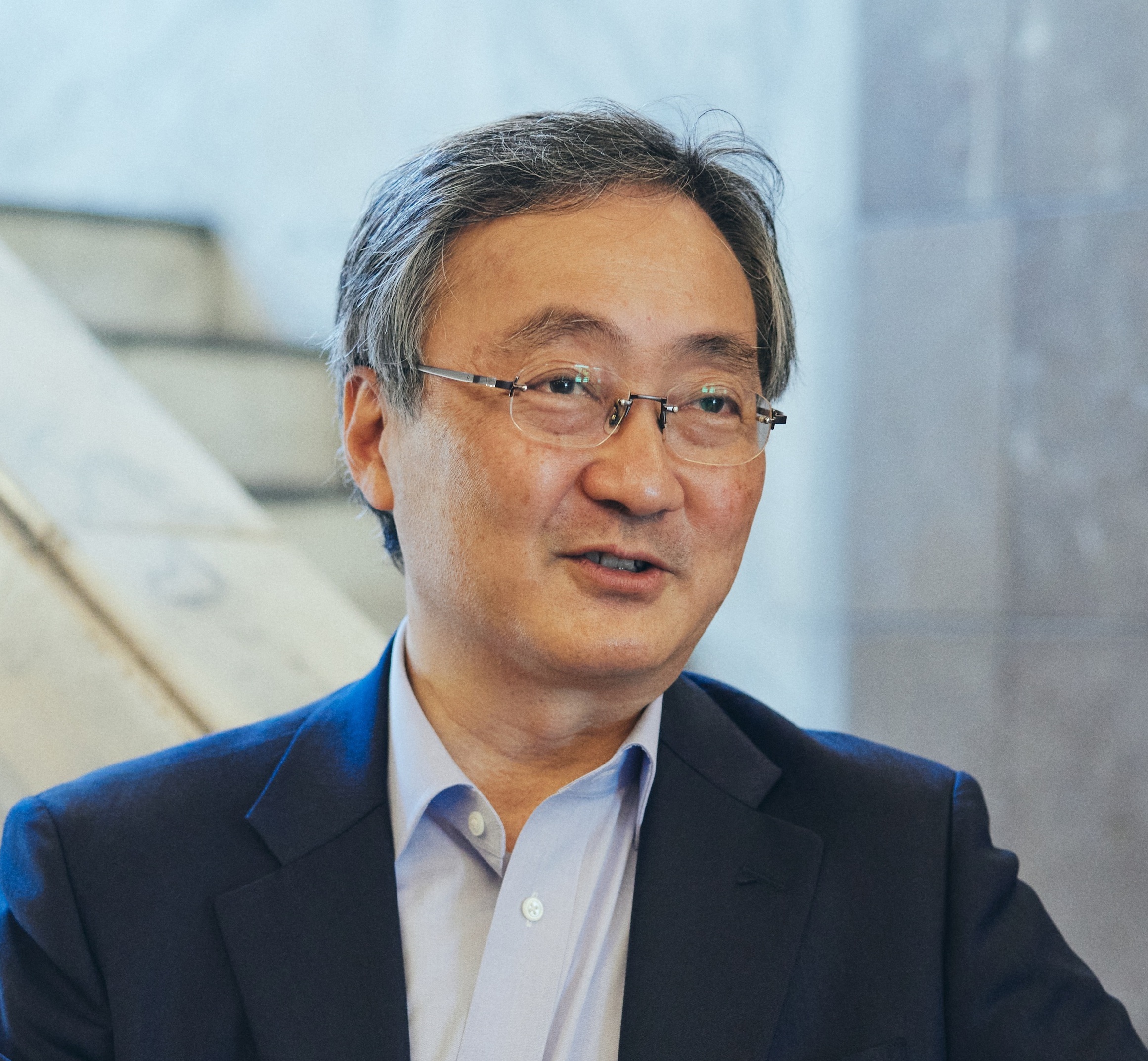
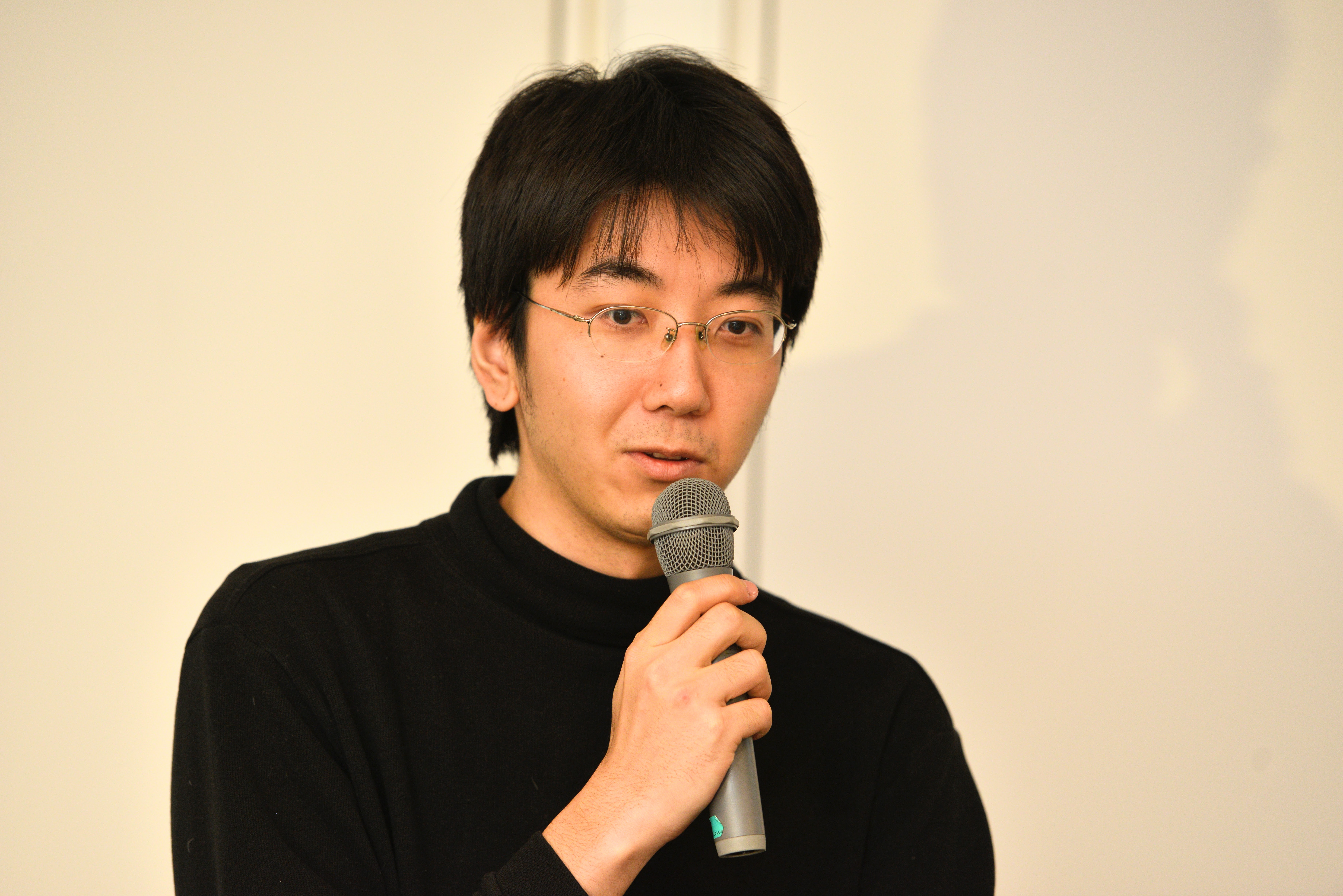
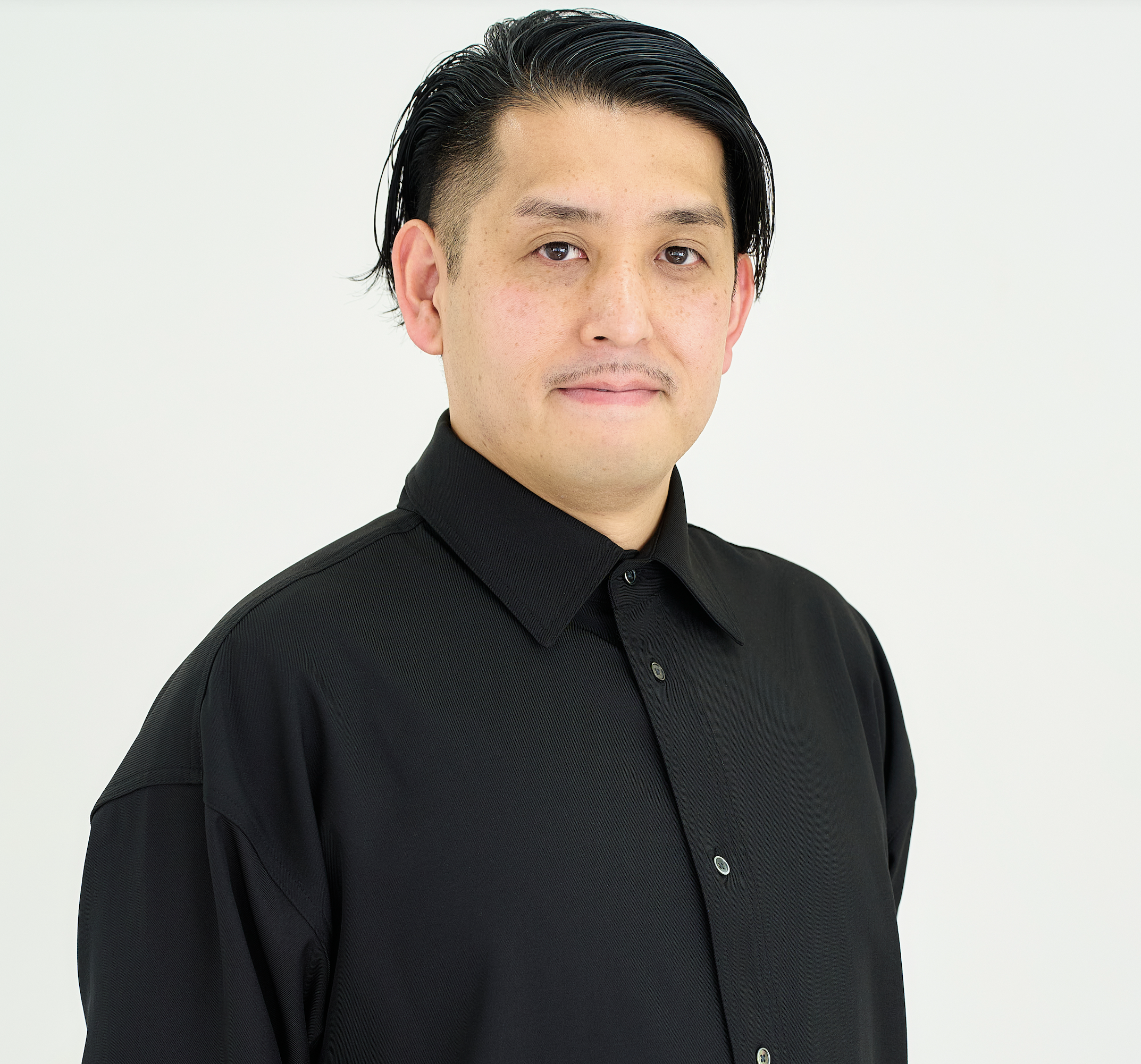
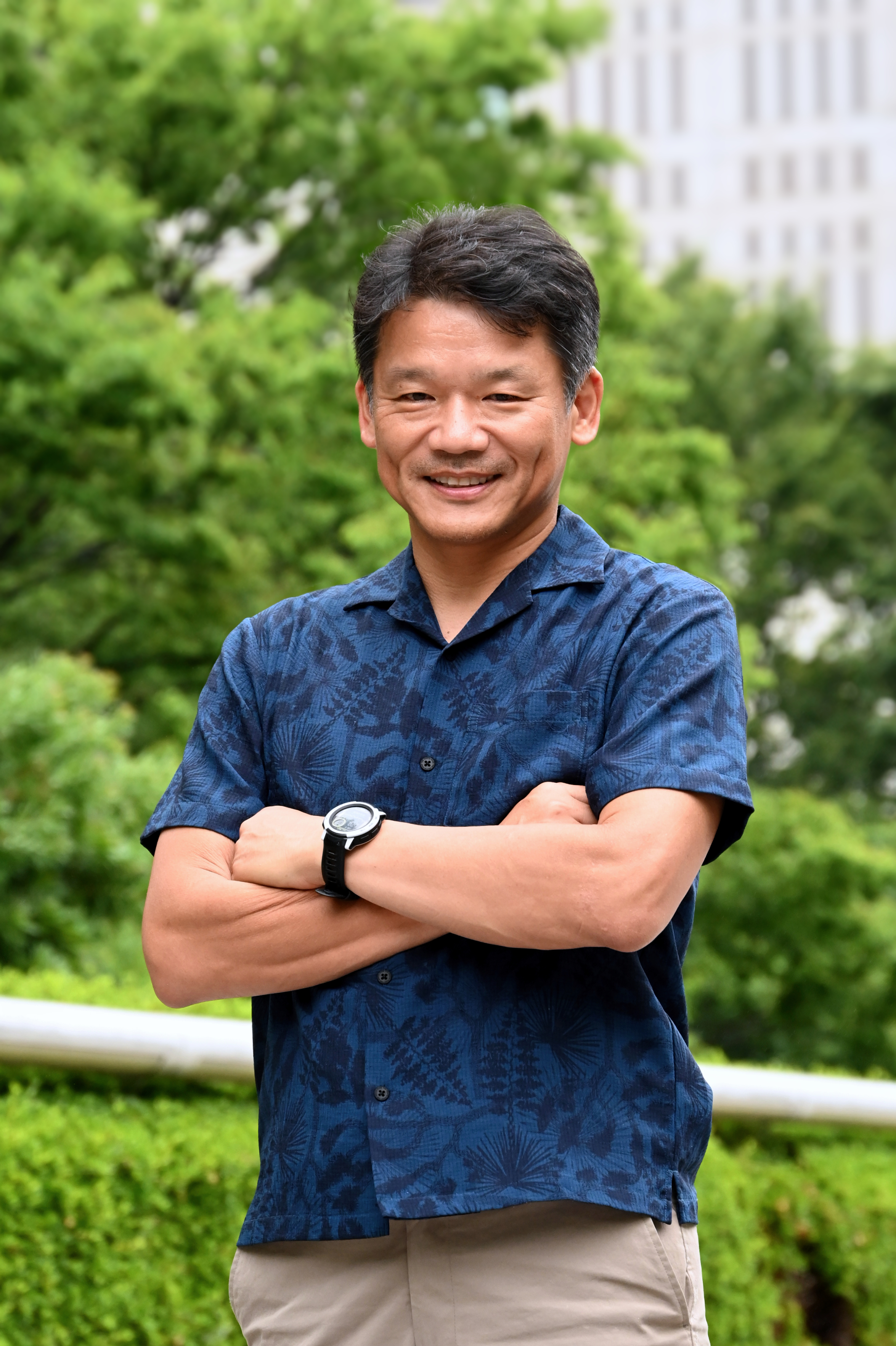
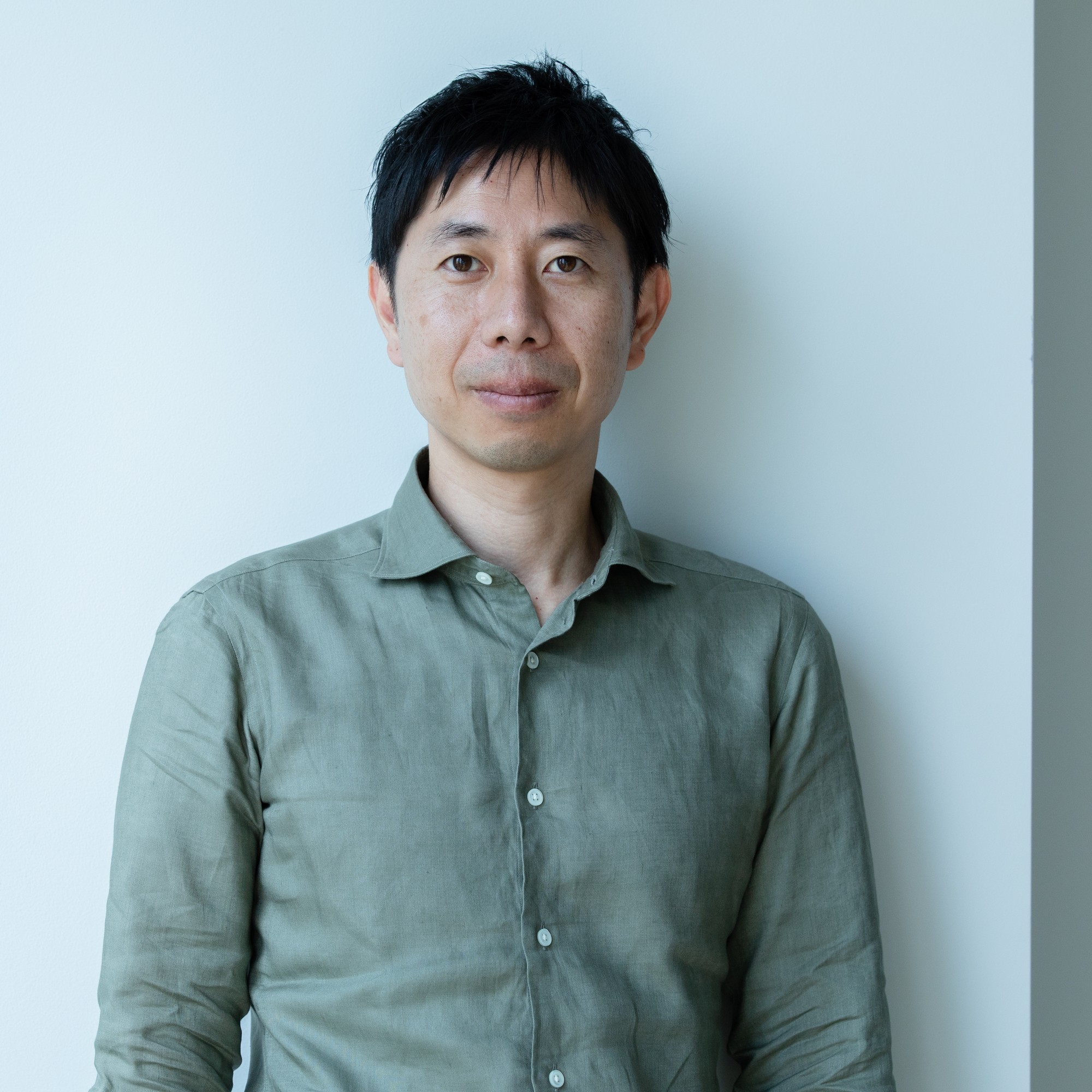
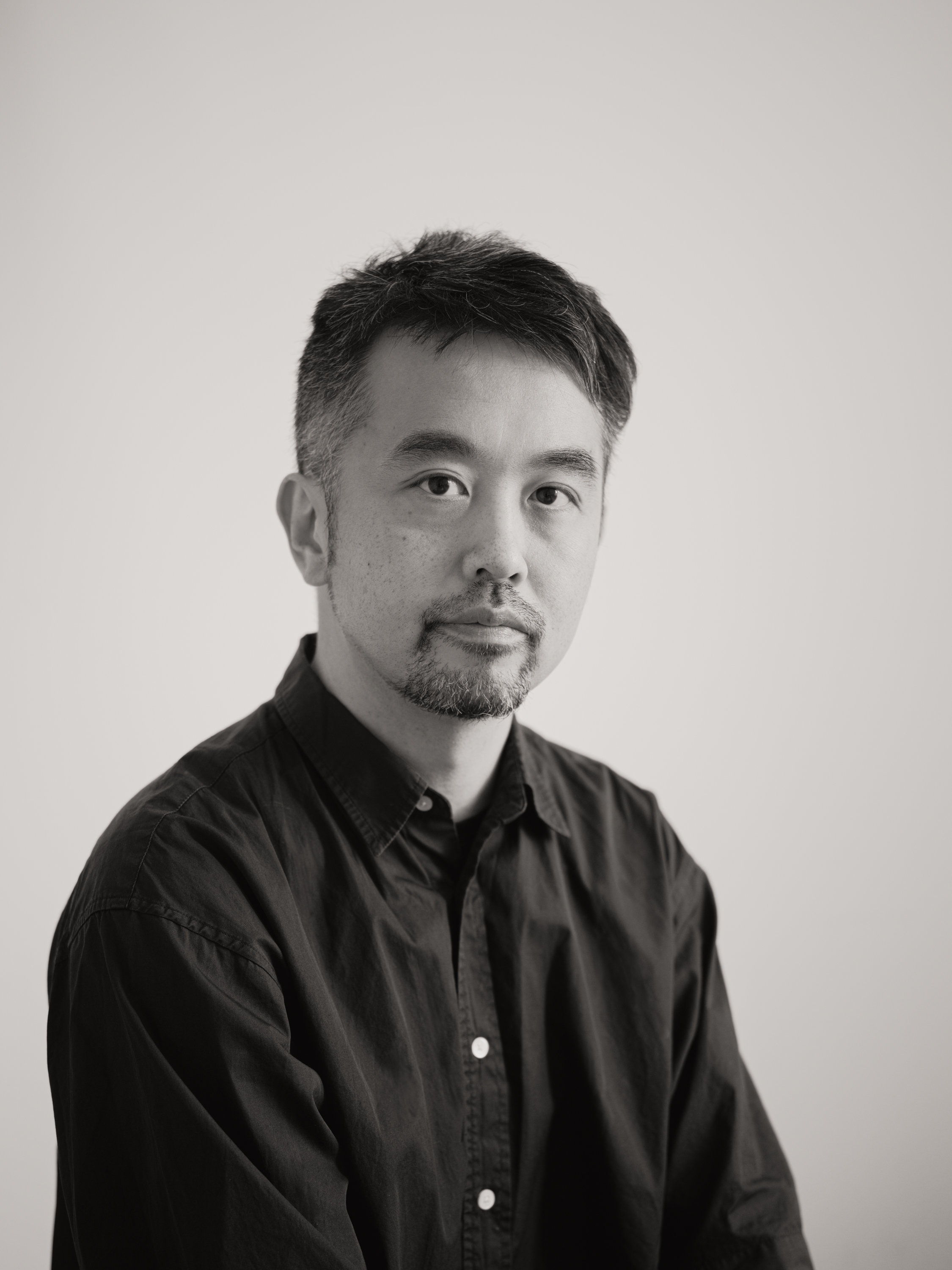
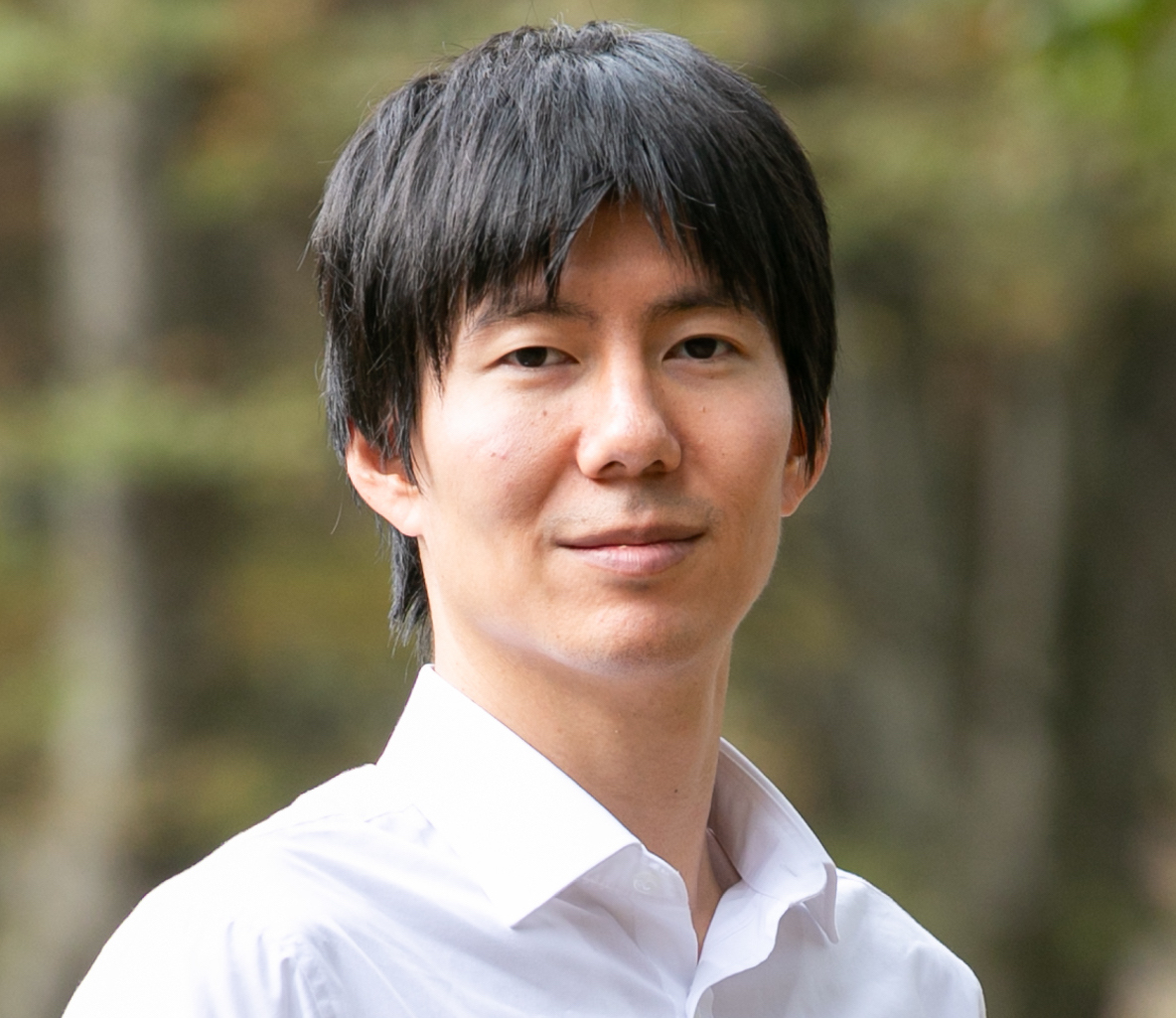
Ken Suzuki

Ken Suzuki

Project Professor, Keio University

Born in Nagano, Japan, in 1975. Suzuki received his B.S. in Physics from Keio University in 1998 and his Ph.D. in Academic Studies from the Graduate School of Arts and Sciences at The University of Tokyo in 2009. Prior to his current roles, he served as a Chief Researcher at the Center for Global Communications (GLOCOM) at the International University of Japan and as a Fellow at the Tokyo Foundation's Virtual Institution. In 2012, he co-founded SmartNews Inc. His areas of expertise are complex systems science and natural philosophy. He is the author of Nameraka na Shakai to Sono Teki (The Smooth Society and Its Enemies) and the co-translator of Andy Clark's "Being There": Putting Brain, Body, and World Together Again.
SEIRA YUN


SEIRA YUN

CEO of Socious, Host of Tech for Impact Summit, Founder of Impactism

Founder and CEO of Socious, whose Socious Report uses AI to help companies with their sustainability disclosures. He advocates Impactism — making impact, not money, the measure of a life — and hosts the invitation-only Tech for Impact Summit. He founded Socious in 2021 after working with the International Committee of the Red Cross (ICRC) and UNHCR, holds a master's degree in social innovation from the University of Cambridge, and is an impact angel investor.

Hal Seki

Hal Seki

Code for Japan Representative

Representative Director of Code for Japan. As a policy entrepreneur and civic hacker, he launched sinsai.info during the 2011 Great East Japan Earthquake and established Code for Japan in 2013. He promotes government DX in municipalities across Japan, serving in roles such as Senior Expert at the Digital Agency, Chief Innovation Officer for Kobe City, and Chief Digital Service Fellow for the Tokyo Metropolitan Government. He leads citizen-participatory social problem solving.

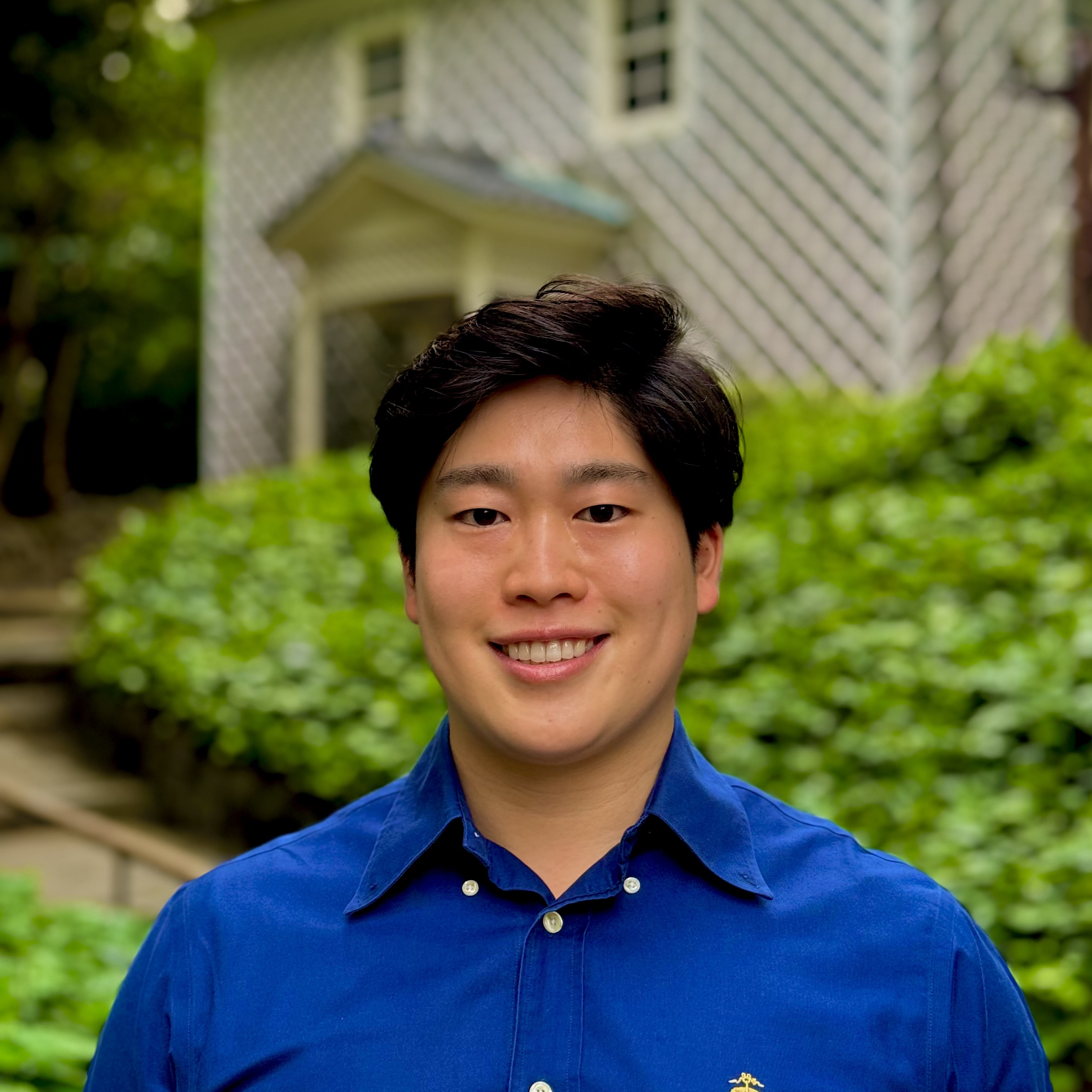
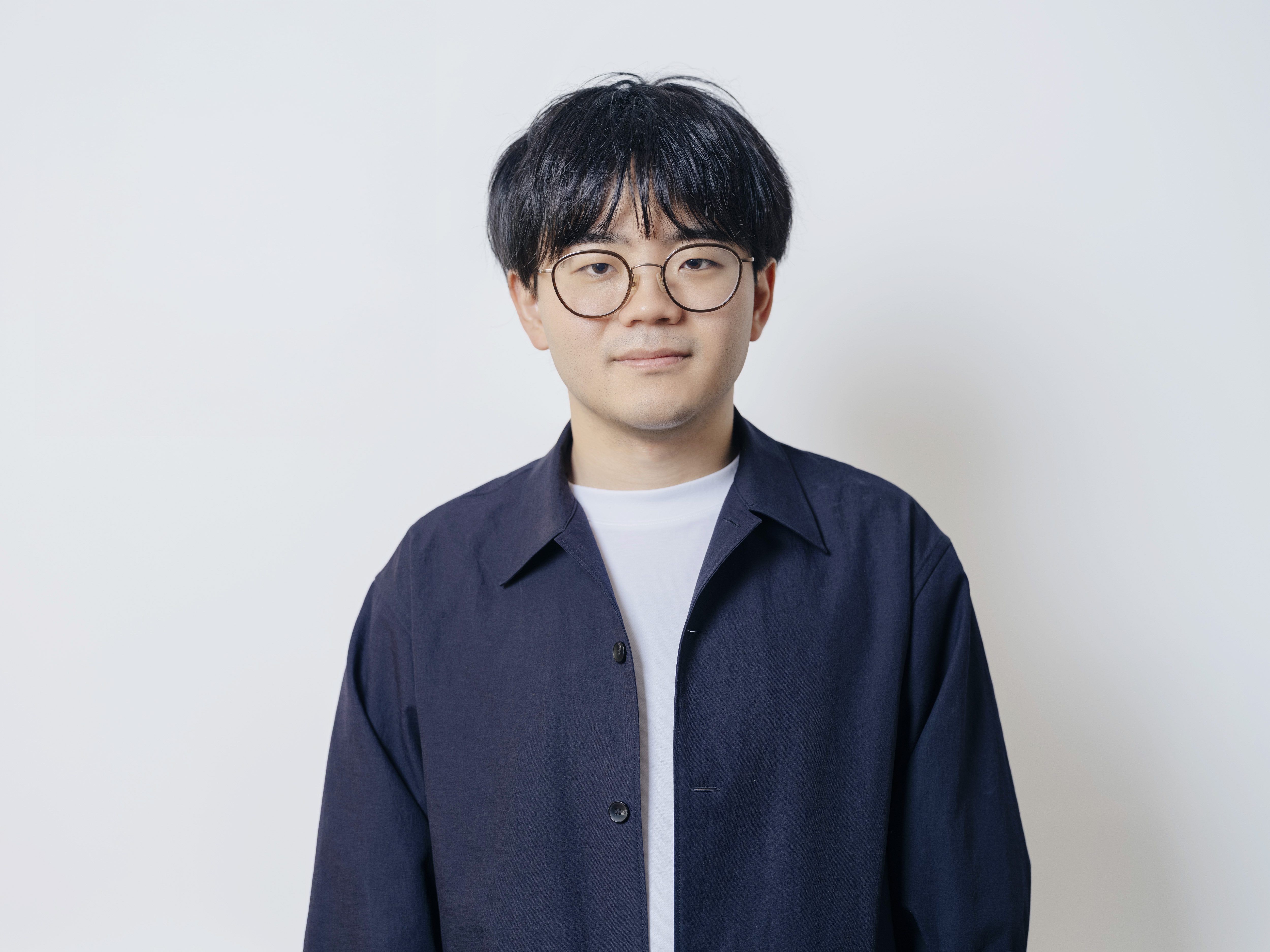
Shutaro Aoyama

Shutaro Aoyama

Columbia University

Born in 2003. A student in the School of Engineering at Columbia University. Selected as an IPA MITOU Creator (2020), and a fellow of both the Masayoshi Son Foundation and the Tadashi Yanai Foundation. At Sony Computer Science Laboratories (Sony CSL), he conducts research and development on AI-mediated communication. In parallel, he works on deploying deliberation-support technology in society through Team Mirai and the Digital Democracy 2030 project.

Ken Shibusawa

Ken Shibusawa

CEO, Shibusawa and Company, Inc. | Chairman, Commons Asset Management, Inc. | CEO, &Capital, Inc. Born in 1961, he moved to the United States in 1969 with his father's job transfer and graduated in chemical engineering from the University of Texas in 1983. After working at the Japan Center for International Exchange, he earned his MBA from UCLA in 1987. He worked in markets at U.S. investment banks including JPMorgan and Goldman Sachs, joined the hedge fund Moore Capital Management in 1996, and headed its Tokyo representative office from 1997. In 2001 he went independent and founded Shibusawa and Company, Inc.; in 2007 he founded Commons Inc. (renamed Commons Asset Management, Inc. in 2008, where he became chairman); and in January 2023 he established &Capital, Inc. as CEO. He leads a management school on "The Analects and the Abacus" (Rongo to Soroban). In June 2025 he was appointed director of Kyushu Financial Group and outside director of Seven Bank. He is a senior advisor to Brunswick Group and Bain & Company Japan; a board member of Keizai Doyukai (Japan Association of Corporate Executives) and lead chair of its Middle East & Africa Committee; an advisor to the President's Office of the University of Tokyo; and chairman of NHK's International Broadcasting Programming Council. He also serves as co-chair of Triple I for Global Health, head of GSG Impact JAPAN, a member of the Financial Services Agency's Expert Panel on Sustainable Finance, and a member of METI's Health and Productivity Management study group. His books include "100 Lessons from Eiichi Shibusawa," "SDGs Investment," "33 Teachings of Eiichi Shibusawa for an Unbreakable Spirit," and "The Analects and the Abacus and the SDGs for Bankers," among others.

Kazuki Jinnouchi

Kazuki Jinnouchi

Deputy Representative Director, Code for Japan

After completing graduate studies at Waseda University's Graduate School of Political Science, he joined NEC. From 2013 to 2015 he was seconded to the Reconstruction Agency, serving at the town office of Namie, Fukushima. He joined Code for Japan in 2017 and is now its Deputy Representative Director, working on tool development and analysis to counter mis- and disinformation.

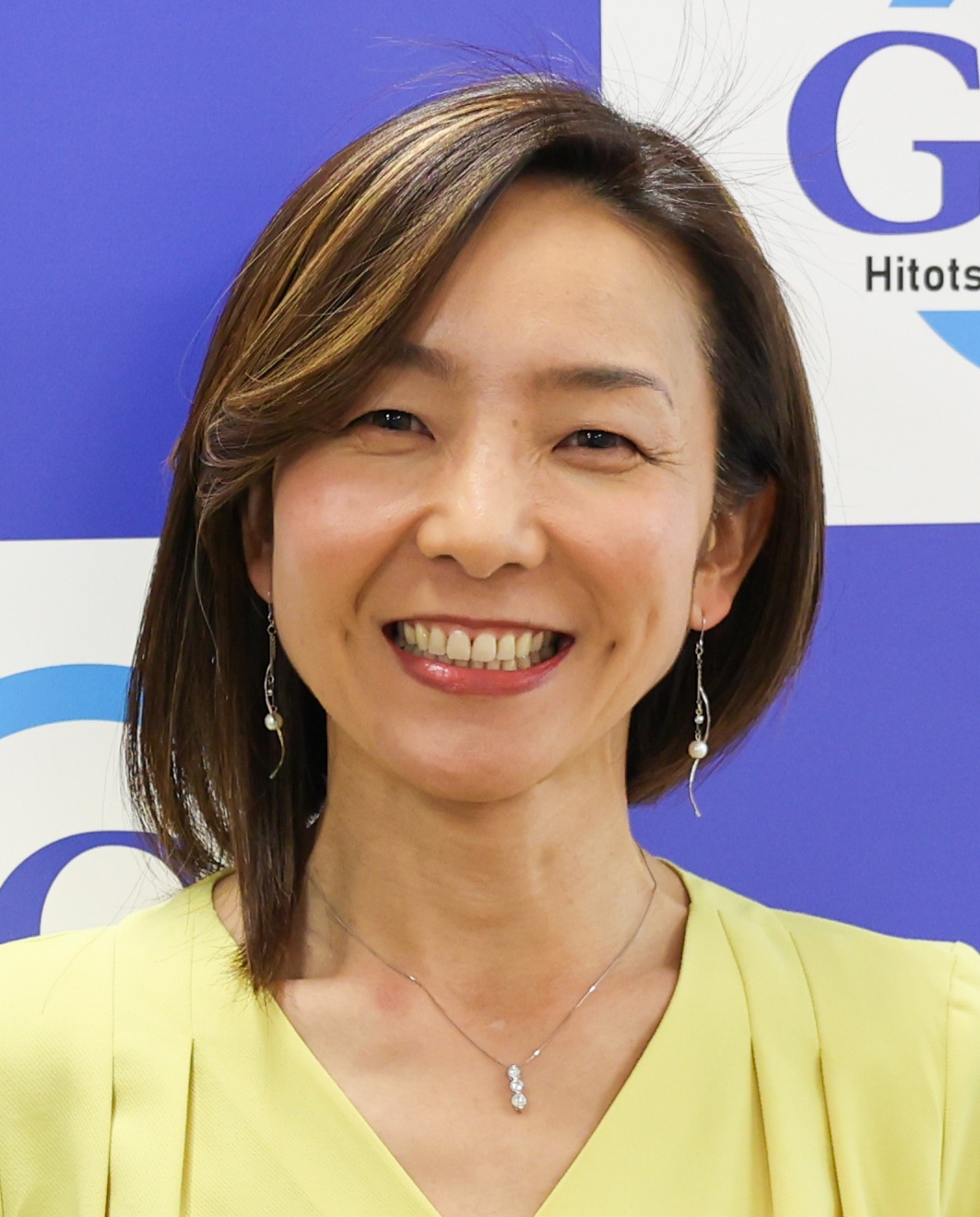
Maiko Ichihara

Maiko Ichihara

Professor, Hitotsubashi University

Maiko Ichihara is a Professor in the Graduate School of Law and the School of International and Public Policy at Hitotsubashi University, Japan. She is also the director of the Democracy Advocates at Risk program and serves on the steering committees of the East Asia Democracy Forum, Japan Factcheck Center, International Coalition for Democratic Renewal, and Indo-Pacific Platform for Universal Values. Throughout her career, she has undertaken research on international relations, democracy support, Japanese foreign policy, and influence operations. She earned her Ph.D. in political science from George Washington University. Her publications include: “How to Tackle Disinformation in Japan: Lessons from the Russia-Ukraine war,” in Jessica Brandt, et al., Impact of Disinformation on Democracy in Asia (Brookings Institution, 2022); “Japanese Democracy After Shinzo Abe,” Journal of Democracy 32-1 (2021); and Japan's International Democracy Assistance as Soft Power: Neoclassical Realist Analysis (New York and London: Routledge, 2017).

Sho Miyazaki

Sho Miyazaki

Visiting Researcher at Waseda University

Sho Miyazaki is a visiting researcher at the Waseda Institute of Political Economy and an incoming Ph.D. student in Public Policy at Harvard University. His research focuses on voting and political representation. Drawing on political economy, he uses quantitative methods to study how institutions and new technologies shape political choices. His current projects examine how AI chatbots recommend parties to voters, how digital voting systems affect participation and strategic behavior, and whether legislative redistricting advantages particular parties. Before Harvard, he was a predoctoral research fellow at Stanford Graduate School of Business. He holds an LL.B. in Political Science from Keio University.

Shinta Nakayama

Shinta Nakayama

NextInt.inc CEO

Shinta Nakayama is the CEO of NextInt Inc., an engineer-entrepreneur working across machine learning, data science, generative AI, corporate DX, and game development. Within Digital Democracy 2030, he maintains "Kouchou-AI," an open-source broad-listening system that visualizes citizens' voices. His publications include *Machine Learning at Work* and an introduction to "Information I," Japan's high-school informatics curriculum, written for working professionals.

Yusuke Hayashi

Yusuke Hayashi

Researcher・Artificial Life Institute,

Yusuke Hayashi is Rsearchear at Artificial Life Institute. He specializes in collective intelligence and AI alignment. He proposed the concept of "collective free energy" within the framework of Collective Predictive Coding (CPC), and, together with Audrey Tang, who led vTaiwan, and other collaborators, has advocated for bidirectional human–AI alignment. His research centers on developing novel approaches to AI alignment and on models of multi-agent cooperation. Prior to his current role, he worked at the Bank of Japan, where he was engaged in the compilation and analysis of official statistics as well as macroeconomic analysis.

Naoya Osugi

Naoya Osugi

デジタル庁 源内班 ガバメントAIリードエンジニア

2005年、千葉大学文学部に飛び入学(高校は中退)。 2009年、奈良先端科学技術大学院大学情報科学科に入学(博士前期課程、理学修士)。 2011年、東京大学大学院総合文化研究科に入学(博士後期課程、単位取得満期退学)ならびに理化学研究所脳科学総合研究センターで大学院リサーチ・アソシエイトに採用。研究テーマはニホンザルの脳波のデータマイニング。 2014年、株式会社リクルートホールディングスに入社。 2017年、N高等学校に3年次編入(社会人高校生)。2留を経て2020年、同高校卒業。 現在はデジタル庁で勤務し、源内の企画、立上げ、開発、推進、運用、改善諸々に従事。

宮坂学

宮坂学

東京都副知事

1997年ヤフー株式会社入社、2012年同社代表取締役社長、2018年同社取締役会長を歴任。ヤフー退社後の2019年7月東京都参与に就任、同年9月に副知事に就任、2023年9月に再任し、CIOとして都政のデジタル化を推進中。2023年9月に事業をスタートした「GovTech東京」の代表理事に就任。 また、東京を世界で最もスタートアップフレンドリーな都市にするための戦略にも取り組み、アジア最大のグローバルイノベーションカンファレンスSusHi Tech Tokyoの実行委員長を務める。

谷口太規

谷口太規

特定非営利活動法人CALL4(コールフォー)共同代表理事

京都大学総合人間学部卒業後、2005年に弁護士登録。2015年にフルブライト奨学生として留学していた米国で、トランプ大統領の出したイスラム教徒の入国措置制限の大統領令に対して、市民が寄付などで公共訴訟を支えて大統領令を止めた光景を目の当たりにしたことをきっかけに、日本でも司法をソーシャルチェンジの選択肢として市民の手に取り戻す必要性を痛感。帰国後の2019年に、仲間と共に社会問題の解決を目指す「公共訴訟」に特化したウェブプラットフォーム「CALL4」を立ち上げる。声をあげた当事者と市民をつなぎ公共訴訟を活性化させる世界的にも珍しい仕組みをゼロから作り上げた。これまで支援してきたケースからは、最高裁での法令違憲判決など、日本の法制度に歴史的な変化をもたらす判決も誕生。現在認定NPO法人CALL4の共同代表を務めつつ、公共訴訟の専門家集団LEDGEのエグゼクティブ・ディレクターとしても活動している。

西田尚史

西田尚史

公益社団法人政策推進機構 代表理事

公益社団法人政策推進機構 代表理事。東京大学法学部卒、大学院大学至善館MBA修了、東京大学大学院法学政治学研究科博士課程在籍。ビジネスの実務の傍ら、個人のライフワークとして政治資金収支報告書のデータベース化に5年間取り組み、2025年にデータベース構築に特化したシンクタンク「政策推進機構」を設立(2026年公益認定)。完全無償・非営利の「政治資金収支報告書データベース」(https://political-finance-database.com/)を運営し、政治の透明性の基盤づくりに取り組む。

Ogura Masataka

Ogura Masataka

Digital Democracy Builders

2016年北海道大学公共政策大学院修士、2023年東京都立大学大学院経済学修士。2016年経済産業省に入省し、マクロ経済・中小企業分析、デジタル政策、再エネ政策、地域政策を担当。2022年株式会社ビズリーチに入社し、人材管理SaaSの企画業務を担当。2024年10月から株式会社PoliPoliに入社しマルチステークホルダーによる政策共創を推進。デジタル民主主義2030コアループプロジェクトでPolicyチームリードとして政策的な視点で有識者を交え企画を推進。

Yukino Baba

Yukino Baba

Associate Professor, The University of Tokyo

Yukino Baba is an Associate Professor at UTokyo. Her research interests are in Human–AI Decision Making, aiming to improve decision making for individuals and groups. She develops AI techniques that identify trustworthy input, spotlight overlooked but important perspectives, and provide guidance for fairer decision making. She also investigates how AI advice and explanations shape human decisions. Through AI techniques, her goal is to help people respect diverse viewpoints and reach outcomes that more participants can accept.

Takahiro Anno

Takahiro Anno

Member of the House of Councillors, Leader of Team Mirai, AI Engineer, and Science Fiction Writer.

Member of the House of Councillors, Leader of Team Mirai, AI Engineer, and Science Fiction Writer. He graduated from Kaisei High School and the University of Tokyo, where he studied under Professor Yutaka Matsuo, chair of the Cabinet Office’s AI Strategy Council. After working at the Boston Consulting Group, Anno founded BEDORE Inc. (now PKSHA Communication), an AI chatbot company, and later co-founded MNTSQ, Ltd., a legal technology startup. Both ventures focused on transforming social systems through digital technology. In 2024, he ran for Governor of Tokyo on a platform centered on digital democracy, receiving over 150,000 votes. In May 2025, he founded the political party Team Mirai. He was elected to the House of Councillors (proportional representation) in the same year, achieving the threshold for official party status with over 2% of the national vote. Anno continues to advance initiatives that connect policy with the realities on the ground, leveraging AI-driven civic participation and fostering two-way, interactive communication between citizens and politics.

Dominique Chen

Dominique Chen

Professor, Faculty of Letters, Arts and Sciences, Waseda University

Born in Tokyo in 1981. Ph.D. in Interdisciplinary Information Studies. After working as a researcher at the NTT InterCommunication Center [ICC] and co-founding Dividual Inc., currently Professor at the Faculty of Letters, Arts and Sciences, Waseda University. Director of the interdisciplinary research team Ferment Media Research, which designs Nukabot, a fermenting nukadoko (rice-bran pickling bed) robot that enables conversation between humans and microbes, while exploring the relationships among technology, humans, and nonhumans through the metaphor of fermentation. Authored and co-authored books include Mirai wo Tsukuru Kotoba [Words That Weave the Future: Bridging Our Mutual Unintelligibility] (Shinchosha), Commons to Shite no Nihon Kindai Bungaku [Modern Japanese Literature as Commons] (East Press), and Nazodoko [The Riddle Bed: Editorial Techniques for Fermenting Thought] (co-authored with Seigow Matsuoka, Shobunsha). Supervised Japanese translations include Sandor Ellix Katz's Fermentation as Metaphor (O'Reilly Japan) and Rafael A. Calvo and Dorian Peters's Positive Computing: Technology for Wellbeing and Human Potential (BNN).

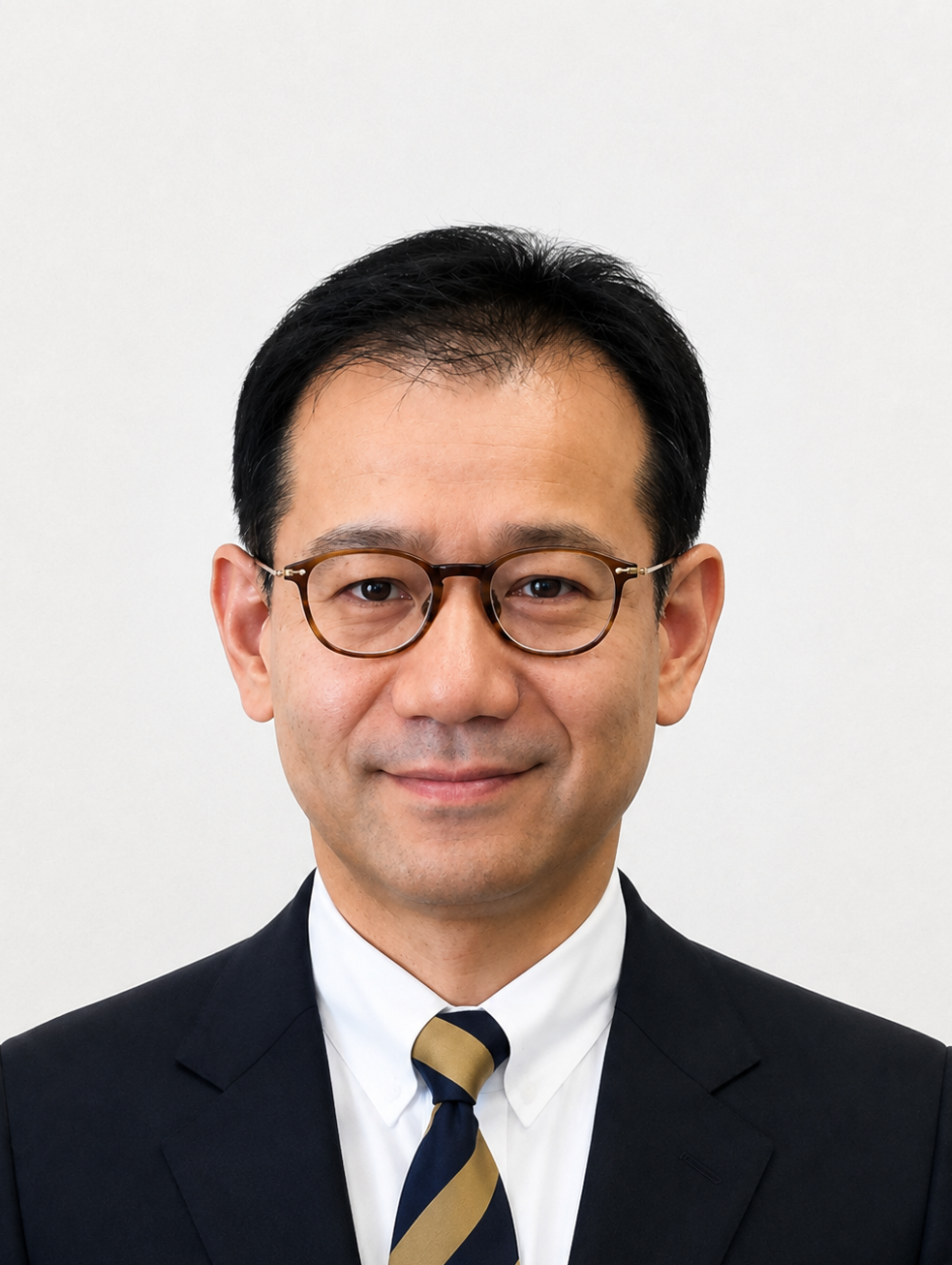
Hiroyuki Kurimoto

Hiroyuki Kurimoto

Liquitous Inc. CEO

Born in 1999. After working as a facilitator, he founded Liquitous Inc. in 2020 and developed Liqlid, a digital participation platform. He works with governments and municipalities in Japan and abroad including the cities of Kamakura and Kyoto, Osaka Prefecture, Toyooka, and Indonesia's Ministry of Home Affairs to implement citizen participation and co-creation processes in policymaking through digital technology. He also serves as a visiting researcher at the Research Center for Urban Society, Osaka Metropolitan University, and as a member of the advisory committee for MOOCs by Harvard University and others. Selected for Forbes 30 Under 30 Japan 2023.

SUZUKI Kan

SUZUKI Kan

professor, The University of Tokyo

After graduating from the Faculty of Law at the University of Tokyo in 1986, Hiroshi Suzuki joined Japan’s Ministry of International Trade and Industry. He later served as an associate professor at Keio University’s Shonan Fujisawa Campus before being elected to the House of Councillors in 2001. During his political career, he served two terms as State Minister of Education, Culture, Sports, Science and Technology and played a leading role in education policy reform. In 2014, he was appointed professor at both the University of Tokyo and Keio University under Japan’s first cross-appointment arrangement between a national and a private university. His research focuses on education and public policy. Since 1995, he has led the “Suzukan Seminar,” nurturing professionals who now play active roles in fields including information technology, education, healthcare, and public administration. The seminar is often described as a modern-day Shokasonjuku.

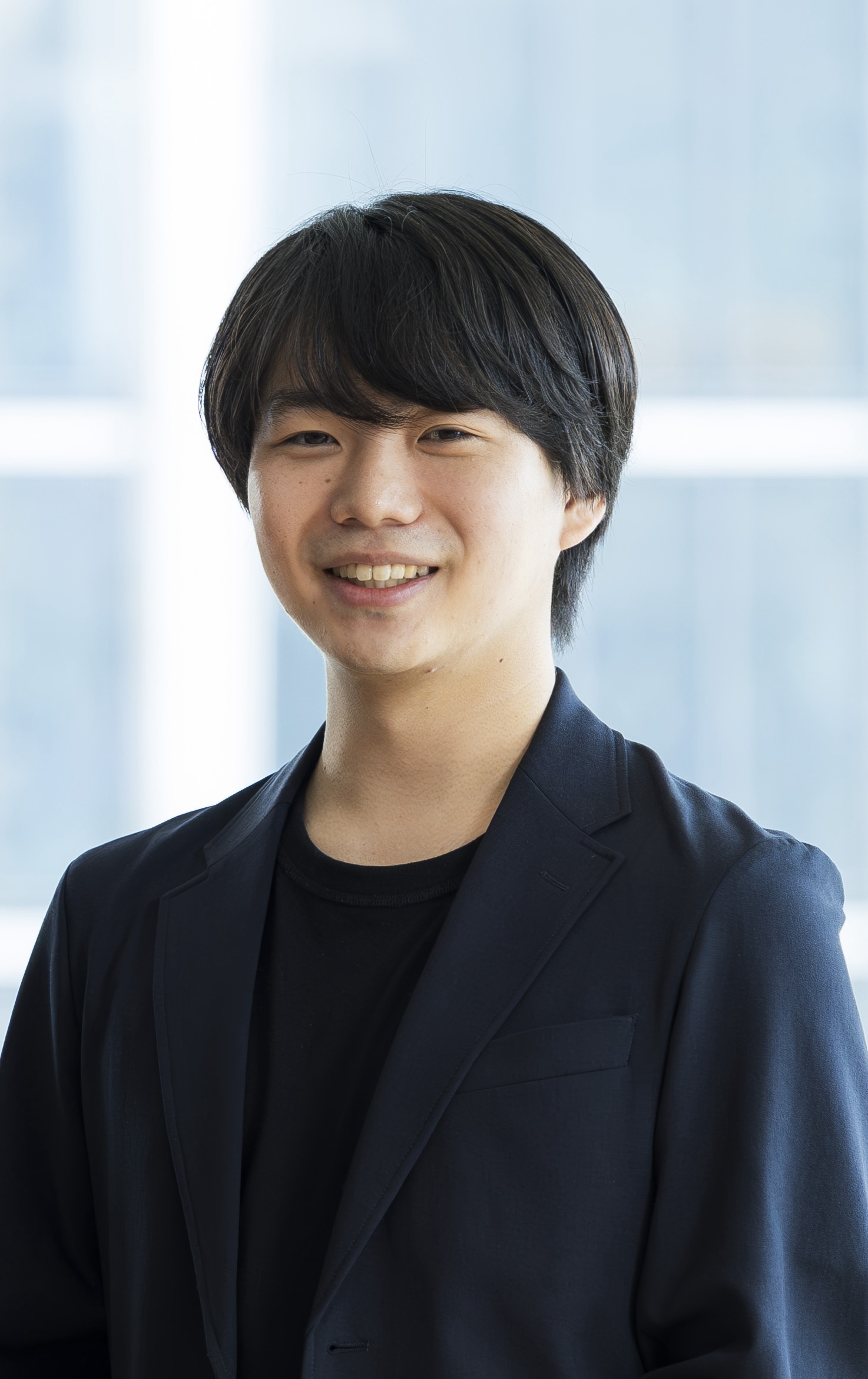
Kazuma Ito

Kazuma Ito

Representative Director and CEO, PoliPoli Inc. / Co-Representative Director, Govtech Association

Born in 1998 and raised in Aichi Prefecture, Japan. While studying at Keio University, he developed the social networking app *Haiku Tehu Tehu*, which he later sold to The Mainichi Newspapers. Inspired by the challenges he observed in politics and public administration during Japan’s 2017 general election, when he was 18, he founded PoliPoli Inc. in 2018. He develops and operates policy engagement platforms, including *PoliPoli*, to promote collaboration between government, citizens, and businesses. He has served on advisory committees for several Japanese government ministries, including the Ministry of Internal Affairs and Communications and the Ministry of Economy, Trade and Industry. At the time of joining, he was the youngest-ever member of both Keidanren (Japan Business Federation) and the Japan Association of Corporate Executives.

Mizuki Oka

Mizuki Oka

Professor, Chiba Institute of Technology / Founder & Managing Director, Artificial Life Institute

Professor at the Graduate School of Design & Science, Chiba Institute of Technology. Ph.D. in Engineering. Artificial Life researcher. Founder & Managing Director of the Artificial Life Institute (Kyoto, 2025), the world's first research institute dedicated to Artificial Life. Project Manager for IPA's MITOU Program. Author of books on ALife including "ALIFE: Toward More Lifelike AI."

Rintaro Chujo

Rintaro Chujo

PhD Student, The University of Tokyo

Rintaro Chujo is a PhD student at the Graduate School of Interdisciplinary Information Studies, the University of Tokyo, and a JSPS Research Fellow (DC1). Drawing on backgrounds in informatics and design, he studies and builds media that support dialogue among people of differing positions and backgrounds. His works include EmoBalloon, a text chat that conveys emotion through the shape of speech balloons; LearnWiz One, an EdTech service that facilitates the exchange of opinions in online classes; and Intersubjective Digital Twin, a workshop for imagining the future of one's own neighborhood from the bottom up. His honors include an ACM CHI Best Paper Award, the Good Design New Hope Award, and the University of Tokyo President's Award (Grand Prize).

More speakers to be announced after the CFP curation closes.
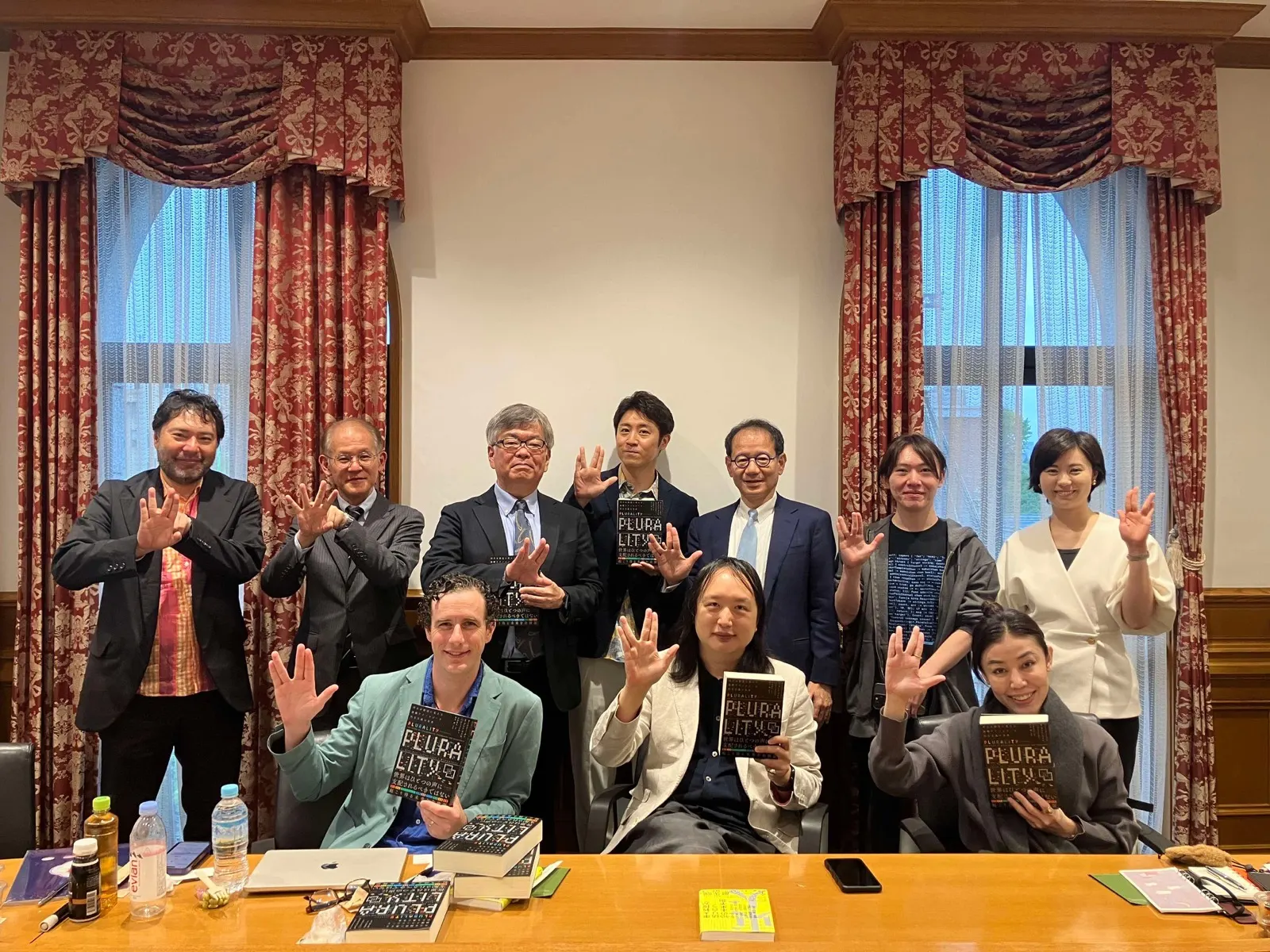
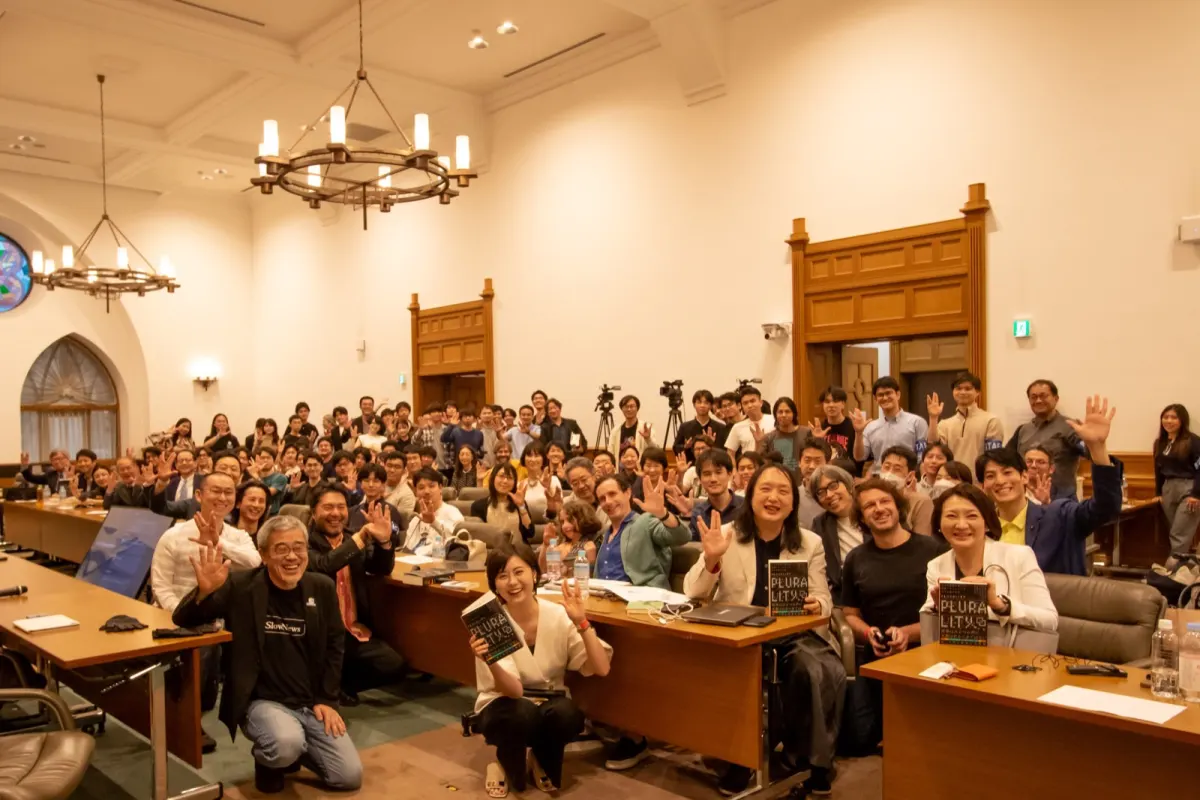
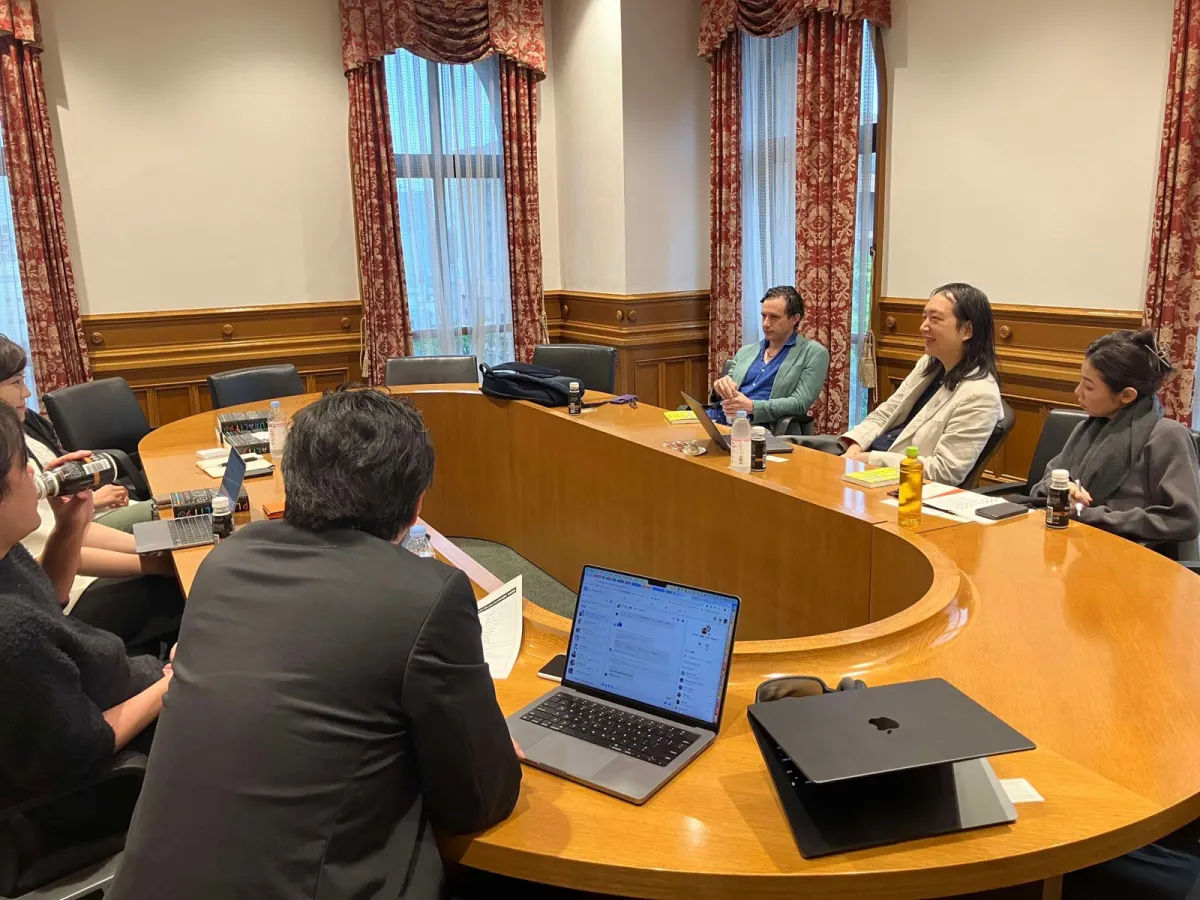
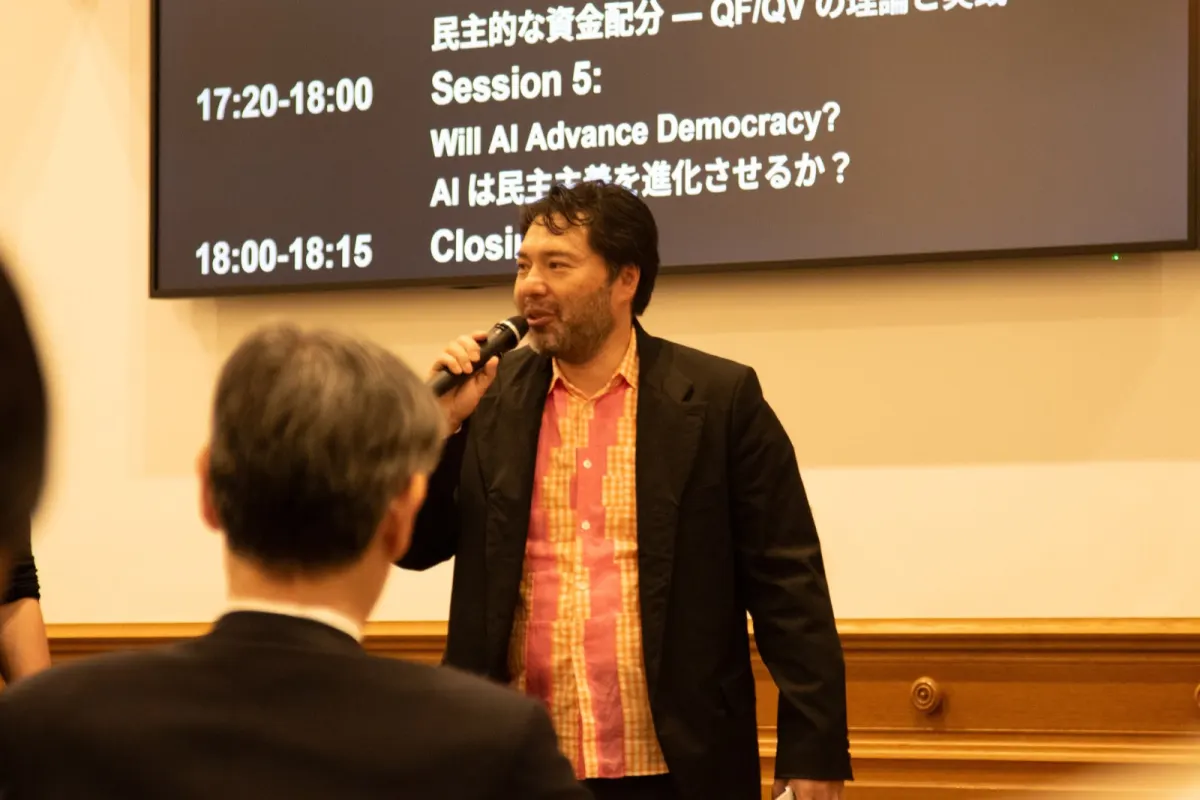
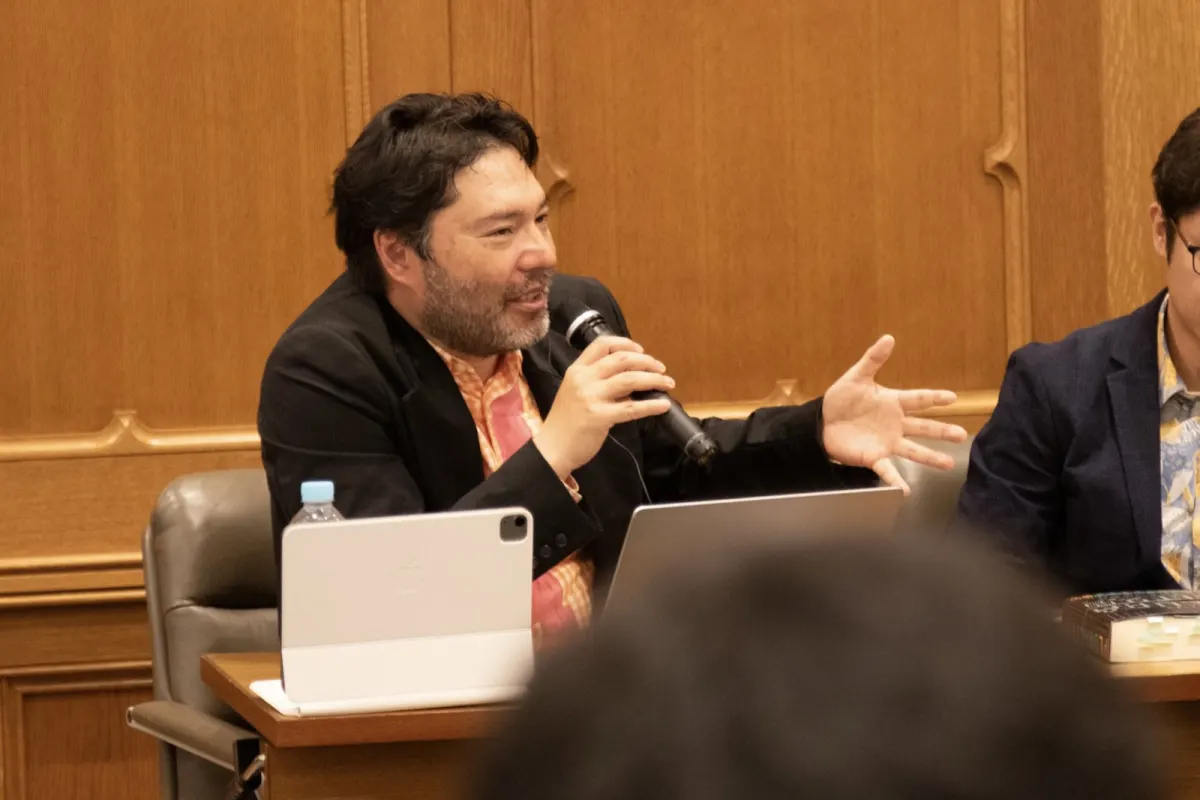
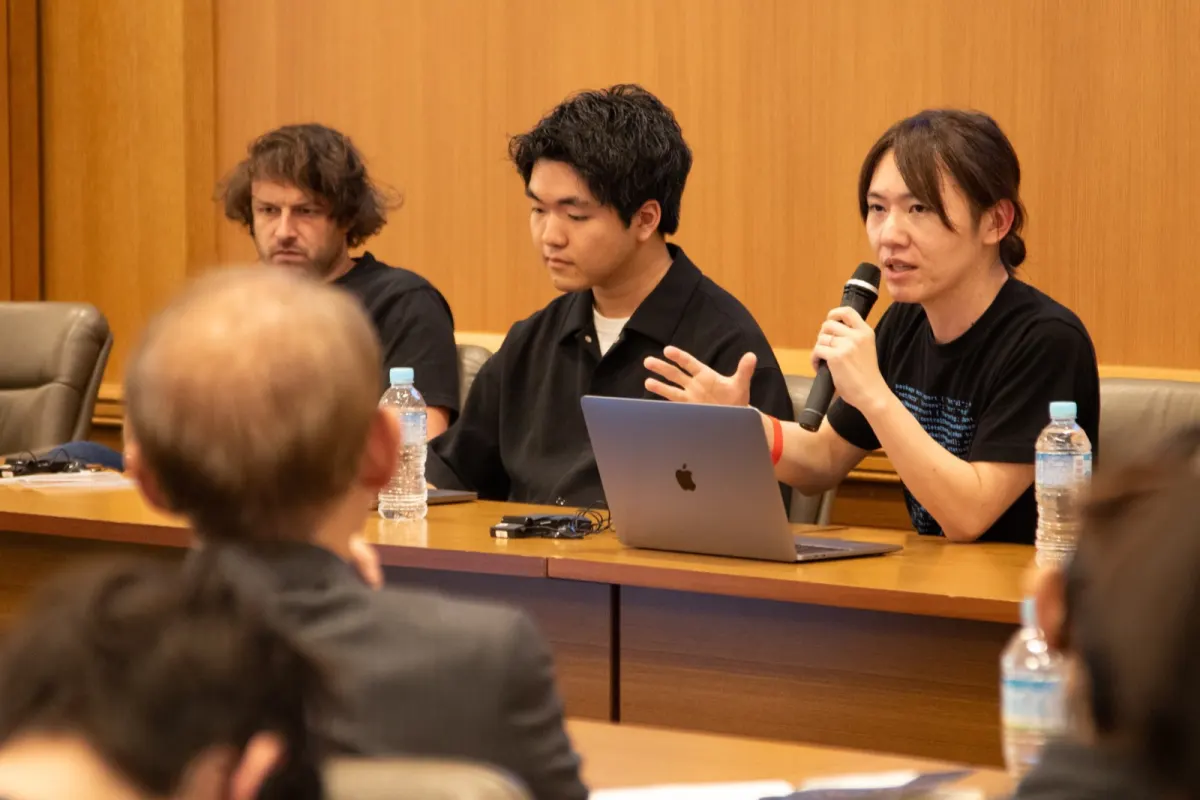
Digital democracy gathering in Tokyo, 2025
FROM 2025

Last year, in one room.

Scenes from the 2025 gathering in Tokyo — practitioners, politicians, and technologists, across one day.

Digital democracy gathering in Tokyo, 2025Digital democracy gathering in Tokyo, 2025Digital democracy gathering in Tokyo, 2025Digital democracy gathering in Tokyo, 2025Digital democracy gathering in Tokyo, 2025
TOKYO · 2025
—02

Why this summit

01

Practitioners, in one room.

Civic-tech / democracy-tech startups, local-gov, all parties, academia.

02

Open program.

Part of the program is selected via open CFP. Propose yours by June 22.

REGISTRATION · OPEN

Register to attend — online participation also requires registration.

Register to attend
—04
VOLUNTEER

Help build it with us

Reception, interpreting, A/V, photography, hospitality. One slot is enough.

Sign up
RECEPTION

Stay for the reception.

18:45–20:15 · South School Bldg. Cafeteria · paid. Keep the conversations going with speakers and fellow attendees.

Sign up for the reception
PRESS

Covering the summit?

Media are welcome. Press attendance is by advance registration.

Register as press
DATE
Sun · August 2, 2026 · 10:00–18:30 (doors 9:30)
VENUE
Keio Mita · Kita-kan Hall
CAPACITY
~200 · free · lottery if oversubscribed
RECEPTION
18:45–20:15 · paid · sign-up
CHECK-IN
Check-in is in the North Building only

Even if your session is in the East Building or the South School Building, please check in first at the North Building Hall (1F). There is no check-in desk in the East Building. See the venue map →

—05

FAQ

If your question isn't here, send it via the contact form — we read every one.

What does it cost?

Free. ~200 seats. If we receive more registrations than seats, we'll run a lottery. We can't accept walk-ins due to venue capacity.

Who can attend?

Anyone working on or curious about digital democracy — practitioners, civic-tech founders, local-gov staff, academics, engineers, journalists, students.

What language are the sessions in?

Japanese sessions carry English subtitles on screen, and English sessions carry Japanese subtitles.

Will it be recorded?

Sessions with speaker consent will be recorded and posted. We'll confirm your photo/video consent at registration.

Are travel and lodging covered?

Not by us. International speakers are coordinated separately.

Is the call for proposals (CFP) still open?

The CFP closed on June 22, 2026. Attendee registration is still open.