
The Technology of Broad Listening
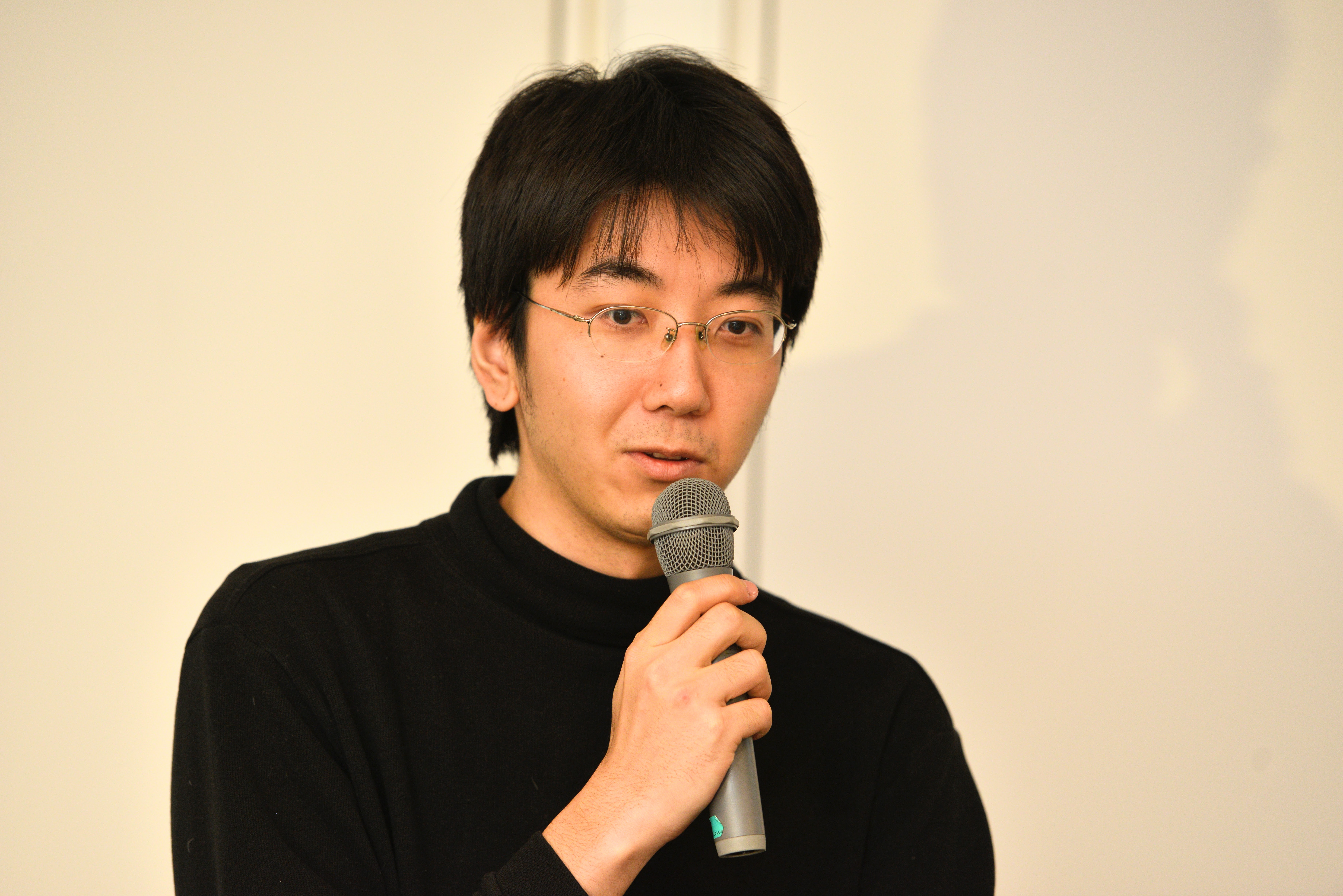

Opinion-gathering has long faced a trade-off between scale and depth: collecting from large numbers forces shallow, multiple-choice questions, while listening deeply limits you to a small number of people. Tallying multiple-choice surveys was solved by technology over a century ago, but analyzing free-text responses remained stubbornly costly — until recent advances in natural language processing, led by LLMs, broke through that wall.
Using Kouchou-AI — the open-source opinion-visualization tool developed by Digital Democracy 2030 — as a case study, this session explains the technology behind broad listening without equations. A four-stage pipeline: (1) splitting opinions with an LLM, (2) contextual vectorization (embedding) with Sentence-BERT, (3) dimensionality reduction and clustering with UMAP, and (4) labeling and summarizing with an LLM. We'll unpack why this pipeline makes it possible to visualize diversity of opinion, including minority views, opening up the black box with the help of familiar analogies like fish-print rubbings and maps.
The session will also touch on next-generation architectures built around long-context LLMs — TTTC Turbo and Google's JIGSAW Sensemaker — as well as the next-generation version currently under development. Now that technology has lowered the cost of analysis, the bottleneck has shifted to "collection" and "interpretation." I hope attendees leave with a clear sense of what that shift means.
Session times, rooms, and speakers are subject to change.
← Back to program